
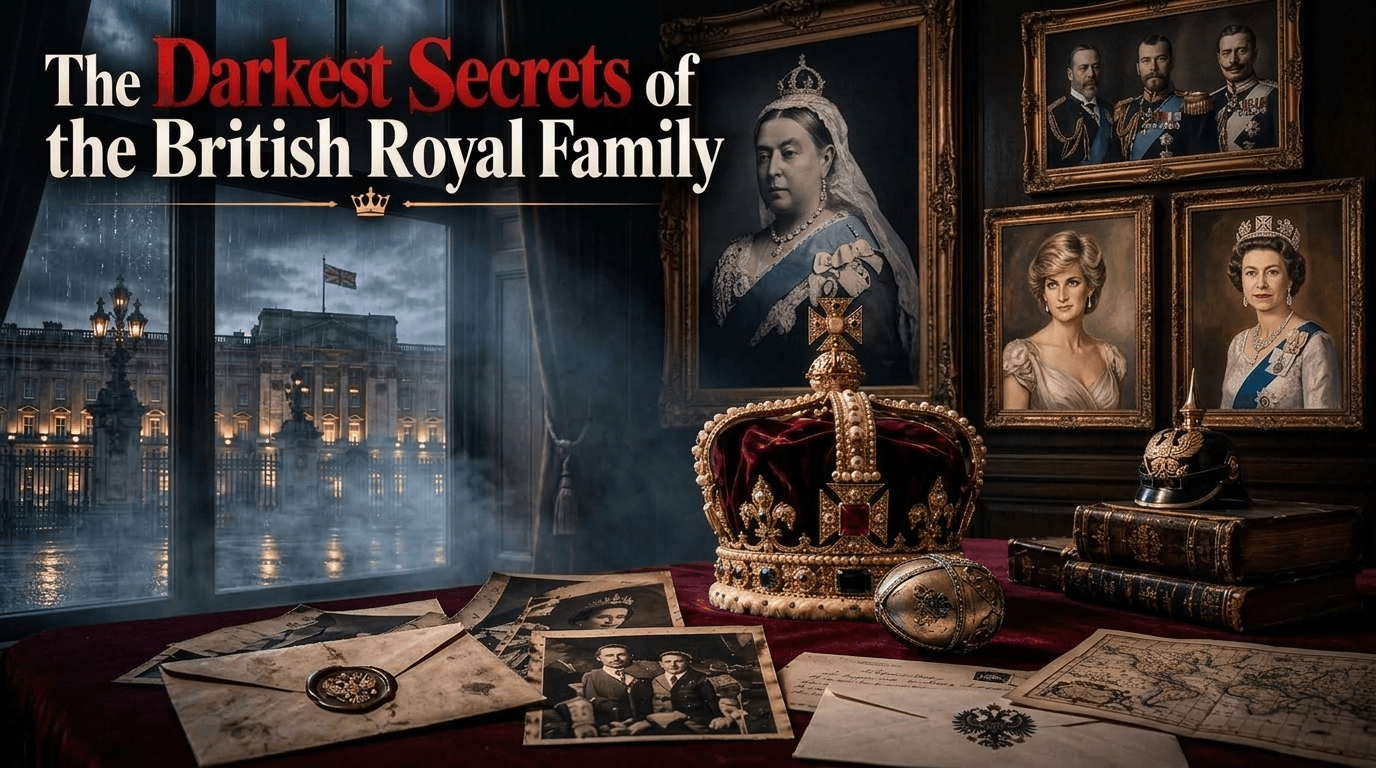
The Darkest Secrets of the British Royal Family — Everything the Crown Tried to Bury
Documented History · Royal Secrets · From 1600 to 2026
Last Updated: August 28, 2026 · Fact-checked & Expanded
From branding enslaved Africans with the Duke of York’s initials to hiding disabled cousins in institutions and marking them dead, from sheltering Nazi sympathies behind classified files to a Prince arrested in 2026 — the British Royal Family’s true history is unlike anything their official portraits suggest. Every fact in this article comes from declassified archives, court records, parliamentary papers, and sworn testimony.
The House of Windsor presents itself as a symbol of continuity, duty, and national identity. The reality, documented across four centuries of archives, court proceedings, and classified government files, is considerably more complicated. What follows is not speculation. It is the record — organized chronologically, from the 17th century to the present day, so that the pattern becomes impossible to ignore: time after time, generation after generation, the institution chose concealment over transparency, and silence over accountability.
What You Will Read in This Article
- 1564–1713: The Crown’s Original Sin — The Royal Slave Trade
- 1694–1901: The Georgian and Victorian Cover-Ups Nobody Talks About
- 1889–1941: The Hidden Royals — Institutionalized, Erased, and Declared Dead
- 1917–1918: George V Abandons His Cousin to a Firing Squad
- 1934–1945: The Nazi Scandal — Deeper Than History Books Tell
- 1953–1955: Princess Margaret and Peter Townsend
- 1969–2021: The Documentary They Aired Once and Then Buried
- 1989–1992: Tampongate, Squidgygate, and the Broken Marriage
- 1995–1997: Princess Diana: Everything You Still Don’t Know
- 1993–2022: The Money: Offshore Accounts, Zero Inheritance Tax, and Sealed Wills
- 1999–2026: Prince Andrew: From Epstein’s Inner Circle to Arrest
- 2020–2026: Harry and Meghan: Exile and Return
- FAQs: Every Question Answered
Era 1: The Slave Trade
1564 — 1713
The Crown’s Original Sin: The Royal Slave Trade
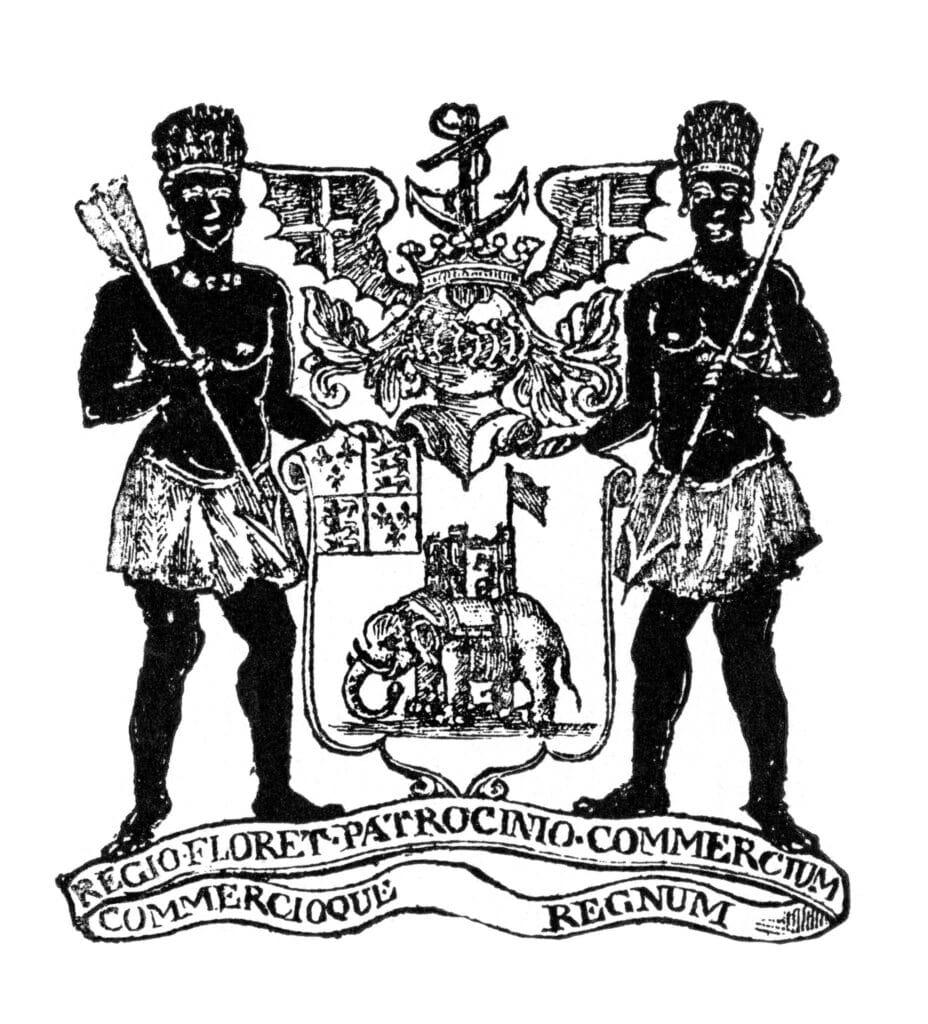
The Royal African Company: The Crown Branded Enslaved Humans with “DY” Hot Irons
Before we reach the familiar scandals — before Diana and Epstein and the Nazis — there is a deeper, older secret that almost no account of royal wrongdoing chooses to confront directly: the British Crown was not merely a passive beneficiary of the transatlantic slave trade. It was an active operator, investor, and profiteer, and the men wearing the Crown personally branded enslaved human beings with their initials.
In 1564, Queen Elizabeth I leased her 700-ton royal warship Jesus of Lübeck to John Hawkins, England’s first major slave trader, to capture and sell enslaved people in West Africa and traffic them to Spanish colonies in the Americas. She received a share of the profits. This was not a private commercial arrangement conducted at arm’s length from the Crown — it was the sovereign personally financing and equipping the first English slaving expeditions.
In 1660, King Charles II granted a royal charter to the Company of Royal Adventurers Trading into Africa, rechartered in 1672 as the Royal African Company (RAC). The RAC was given a complete monopoly on English slave trading. Its Governor was James, Duke of York — the King’s own brother, who would later become King James II. James was not a passive investor. He was the company’s largest shareholder, its primary advocate, and the man responsible for its operations.
The Scale of the Crime
- ~187,000 enslaved Africans shipped
- ~38,497 died on the Middle Passage
- More than any other single entity in history
- Operated 1672–1731
- Enslaved people branded with “DY” or “RAC”
What makes this uniquely horrifying — and uniquely under-reported — is the branding. Under the RAC’s operating procedures, enslaved African men, women, and children were branded on their chests with red-hot irons bearing the letters “DY” (Duke of York) or “RAC” to mark them as royal property (a practice widely documented in historical accounts, though contemporary historians trace it primarily to secondary sources from the era). Between 1672 and 1731, the Company shipped approximately 186,700 to 187,700 human beings across the Atlantic, with over 38,400 dying during the Middle Passage. No other single commercial enterprise in history enslaved more people.
The royal investment in slavery did not end with James II. In 1689, Bristol slave trader and RAC Deputy Governor Edward Colston — whose statue was famously toppled into Bristol Harbour in 2020 — transferred £1,000 of RAC stock directly to King William III at Hampton Court Palace. In 1713, under the Treaty of Utrecht, Queen Anne secured the Asiento de Negros — the exclusive 30-year contract to supply 4,800 enslaved Africans per year to Spanish colonies — and received a personal 22.5% shareholding in the South Sea Company that managed the trade.
Why This Matters — Editorial
The standard historical framing treats the British monarchy as a passive observer of the slave trade era. The documented record shows something different: the Crown was a direct participant — funding expeditions, owning shares, governing the monopoly company, and branding the human beings it trafficked with royal initials. In April 2023, King Charles III granted independent researchers access to the Royal Archives to examine the Crown’s slavery connections. That access itself is an implicit acknowledgment of what those archives contain.
Era 1.5: Georgian & Victorian
1694 — 1901
The Georgian and Victorian Cover-Ups Nobody Talks About
Imprisoned Queens, Burned Letters, and the Erased Munshi
1694–1726: The Queen Britain Was Never Told About
Before George I ascended the British throne in 1714, he was George Louis of Hanover. In 1682, he married his cousin, Sophia Dorothea of Celle, in a loveless political match. She eventually began an affair with a Swedish count, Philip Christoph von Königsmarck. In July 1694, Königsmarck vanished without a trace—historians widely believe he was murdered on the orders of George’s family, his body either thrown in a river or buried under palace floorboards. George dissolved the marriage on grounds of “malicious desertion” and imprisoned Sophia Dorothea in Ahlden House. She remained locked in that castle for 32 years. When George became King of Great Britain, he ruled for 13 years while his former wife sat in a cell, never acknowledged, never crowned, and never freed. She died in 1726, still a prisoner.
Before George I ascended the British throne in 1714, he was George Louis of Hanover. In 1682, he married his cousin, Sophia Dorothea of Celle, in a loveless political match.
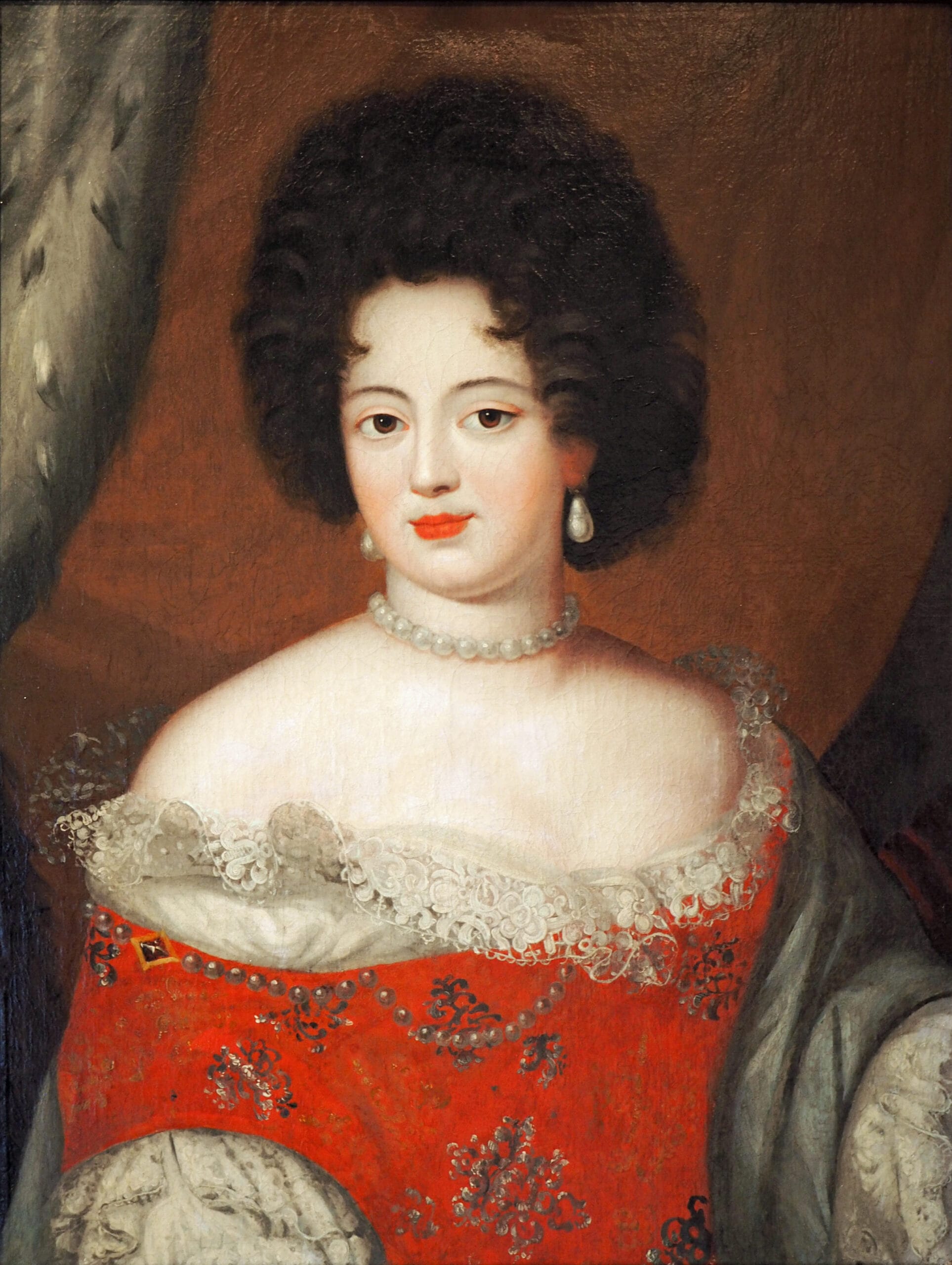
She eventually began an affair with a Swedish count, Philip Christoph von Königsmarck. In July 1694, Königsmarck vanished without a trac.
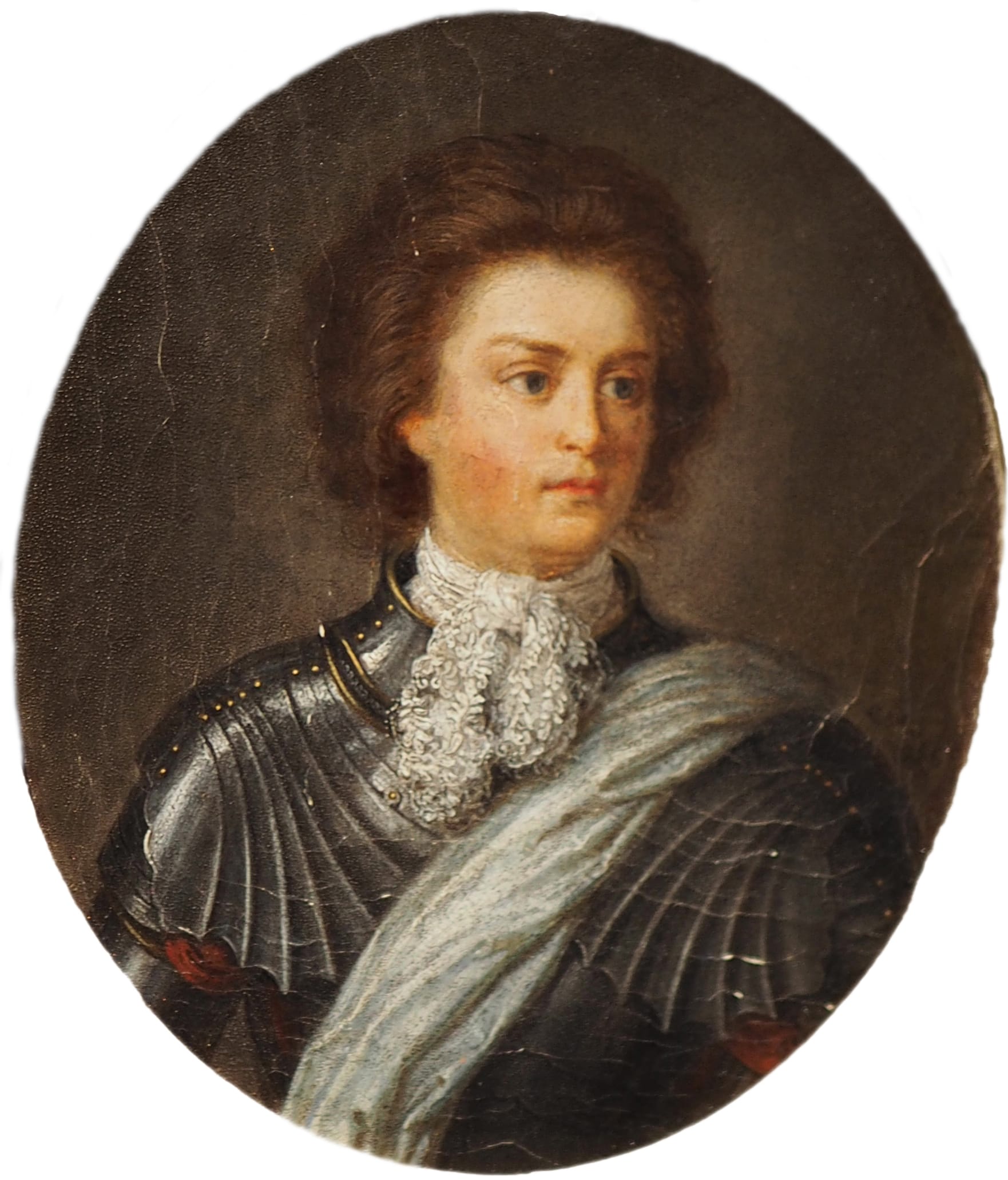
She eventually began an affair with a Swedish count, Philip Christoph von Königsmarck. In July 1694, Königsmarck vanished without a trace—historians widely believe he was murdered on the orders of George’s family, his body either thrown in a river or buried under palace floorboards.
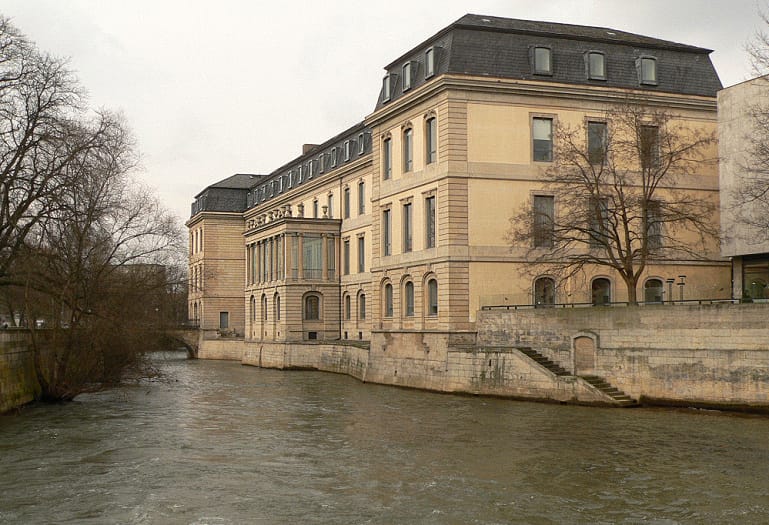
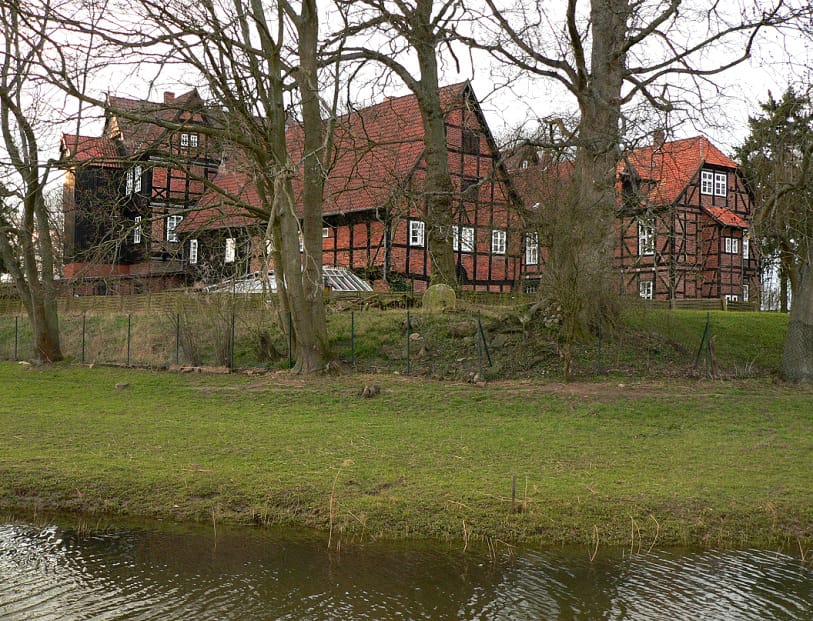
George dissolved the marriage on grounds of “malicious desertion” and imprisoned Sophia Dorothea in Ahlden House. She remained locked in that castle for 32 years. When George became King of Great Britain, he ruled for 13 years while his former wife sat in a cell, never acknowledged, never crowned, and never freed. She died in 1726, still a prisoner.
1785–1821: George IV’s Illegal Marriage and the Barred Coronation
In 1785, the future George IV secretly married Maria Fitzherbert, a Catholic widow. The marriage was illegal under both the Royal Marriages Act 1772 and the Act of Settlement 1701.
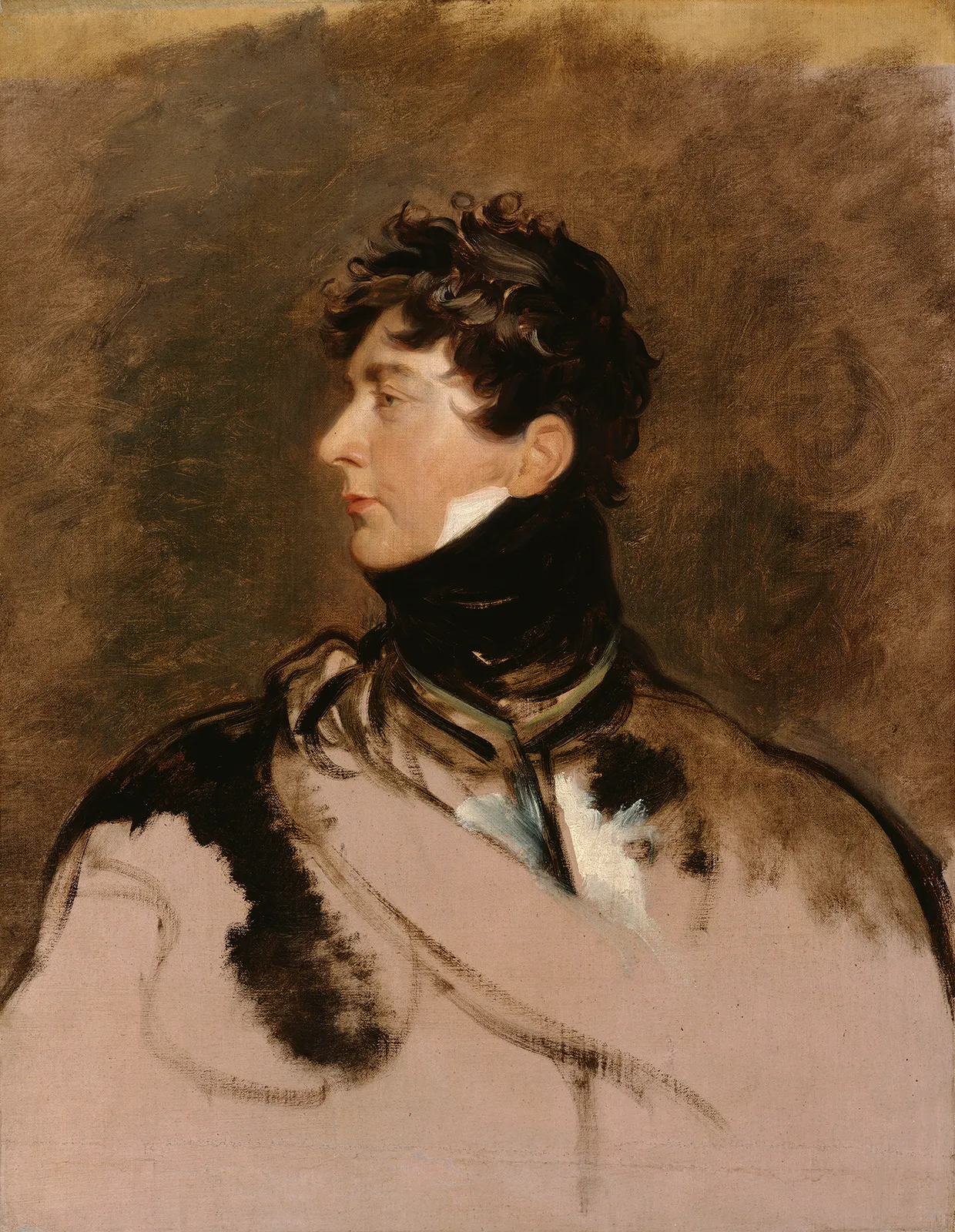
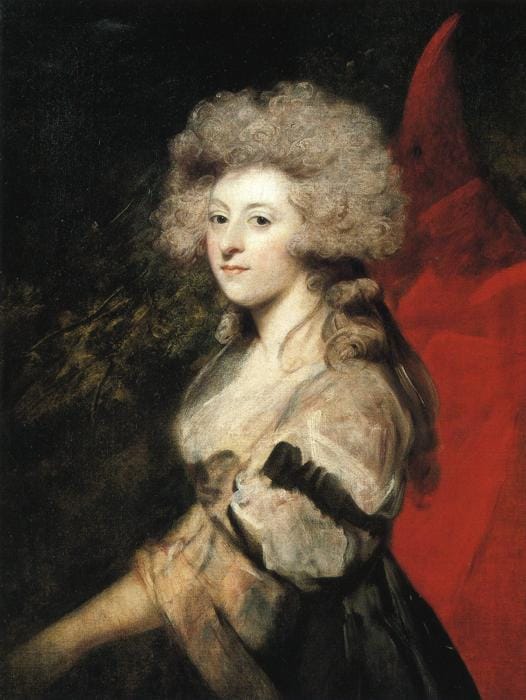
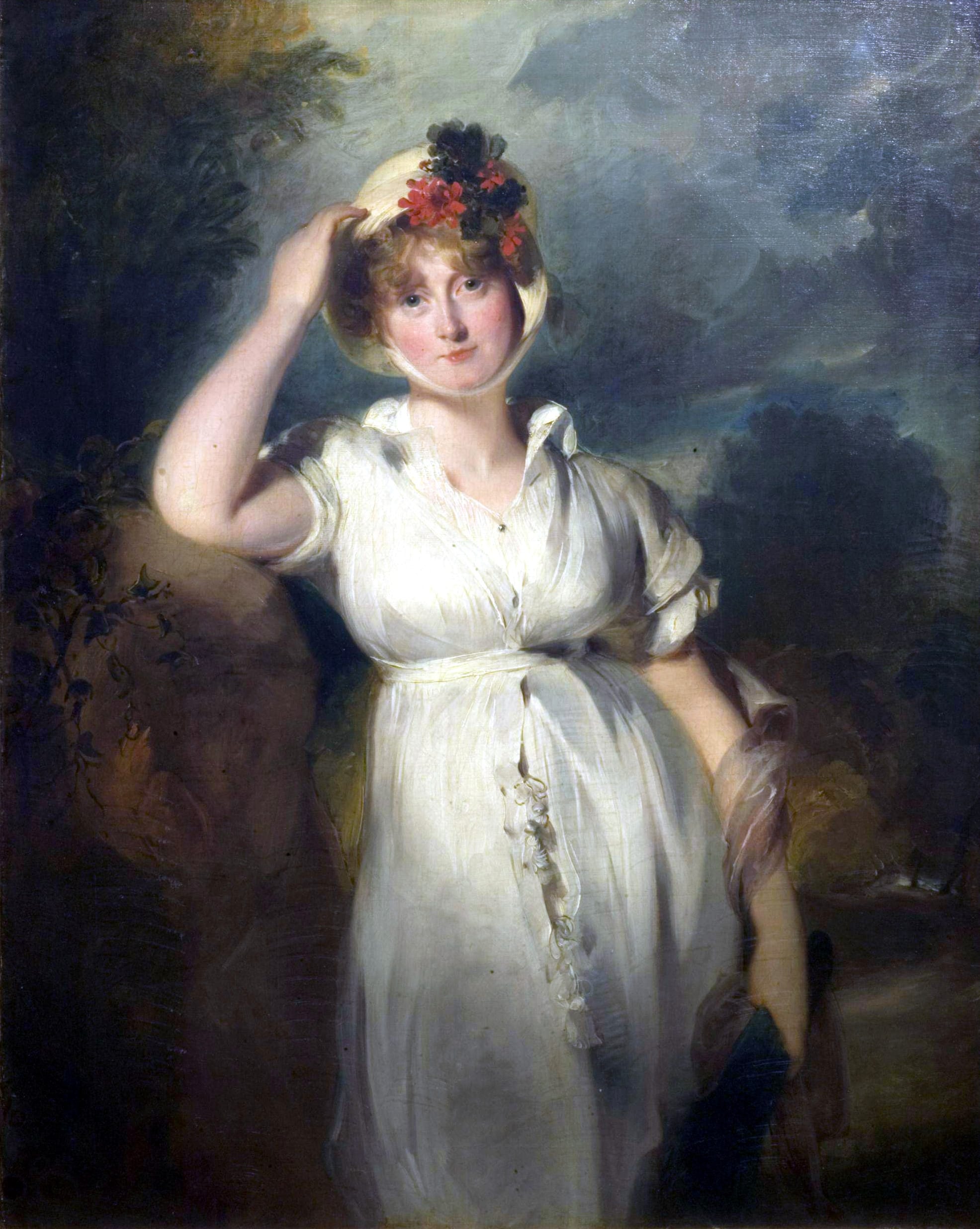
Ten years later, drowning in debt, he was forced into a legal marriage with his cousin Caroline of Brunswick. The hatred was mutual and immediate. When George finally became King in 1820, he attempted to strip Caroline of her title and dissolve the marriage through the Pains and Penalties Bill—a sensational public trial of her alleged adultery that collapsed under public outrage. The final humiliation arrived at his coronation in July 1821: when Queen Caroline arrived to be crowned, George had the doors of Westminster Abbey literally barred against her.
1849–1901: Queen Victoria and John Brown — the Bonfire of the Letters
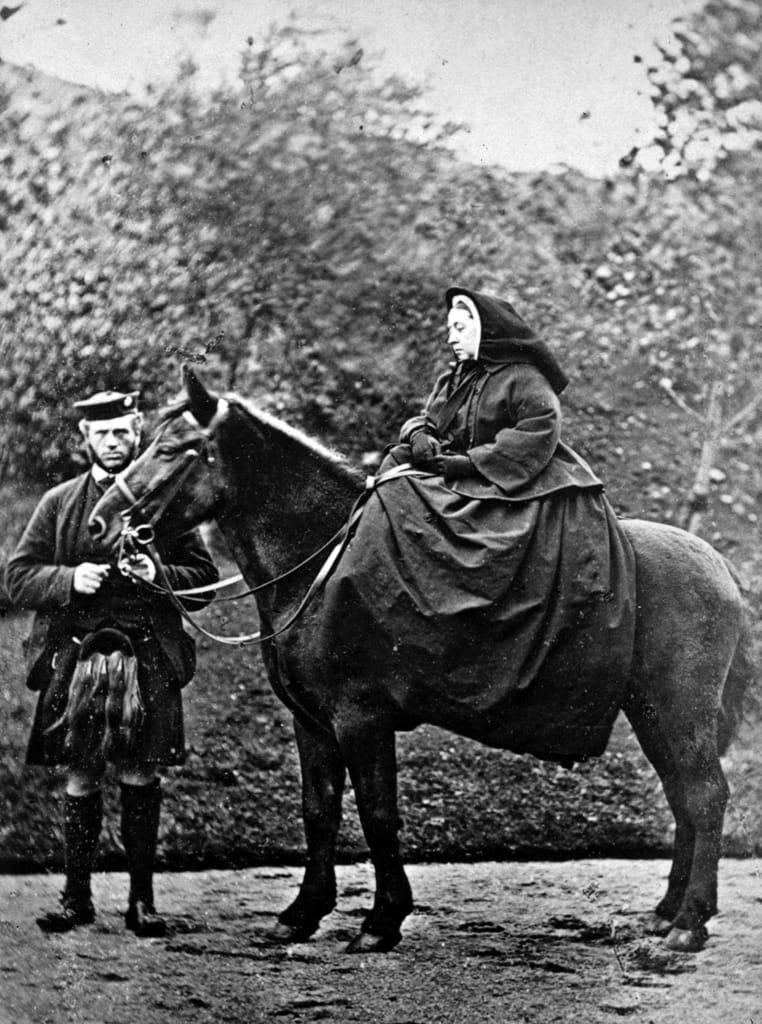
From the late 1850s, Queen Victoria grew intensely close to her Scottish servant John Brown; contemporaries called her “Mrs. Brown” behind her back. In 2003, a government minister’s diary surfaced describing a deathbed confession by Victoria’s own chaplain that he had secretly married the two of them. What is undeniably proven, however, is the cover-up: after Victoria’s death in 1901, her daughter Princess Beatrice spent years hand-copying and editing her mother’s diaries, and then burned the 111 volumes of originals over the objections of the future King George V. A file of Brown’s letters to Victoria was separately destroyed, and statues of Brown were removed to obscure corners of the Balmoral estate.
1887–1901: Abdul Karim and the Erased Munshi
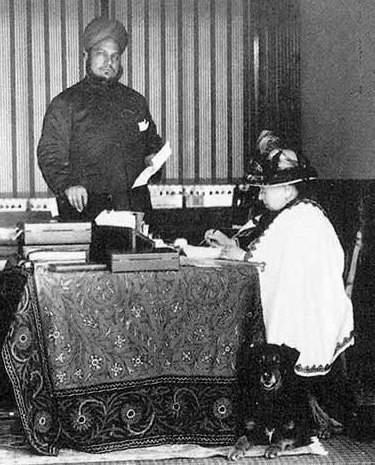
In the final years of her reign, Queen Victoria became profoundly attached to her Indian secretary, Abdul Karim, known as the Munshi. He taught her Urdu and became her closest confidant, sparking furious racism and resentment within the Royal Household. The day Victoria died in January 1901, the new King Edward VII moved instantly to erase Karim from history. Guards were dispatched to Karim’s cottage on the royal estate, seizing every letter Victoria had ever written to him, and burning them on the spot in a bonfire. Karim was deported back to India without ceremony. Princess Beatrice separately went through Victoria’s journals erasing references to him. Karim’s own private diary, hidden by his family, only surfaced in 2010, providing the definitive proof of the cover-up.
Era 2: Hidden Royals
1889 — 1941
The Hidden Royals: Institutionalized, Erased, and Declared Dead
The Cleveland Street Scandal, the Lost Prince, and the Cousins Listed as Dead While Still Living
1889: The Cleveland Street Brothel and the Almost-King
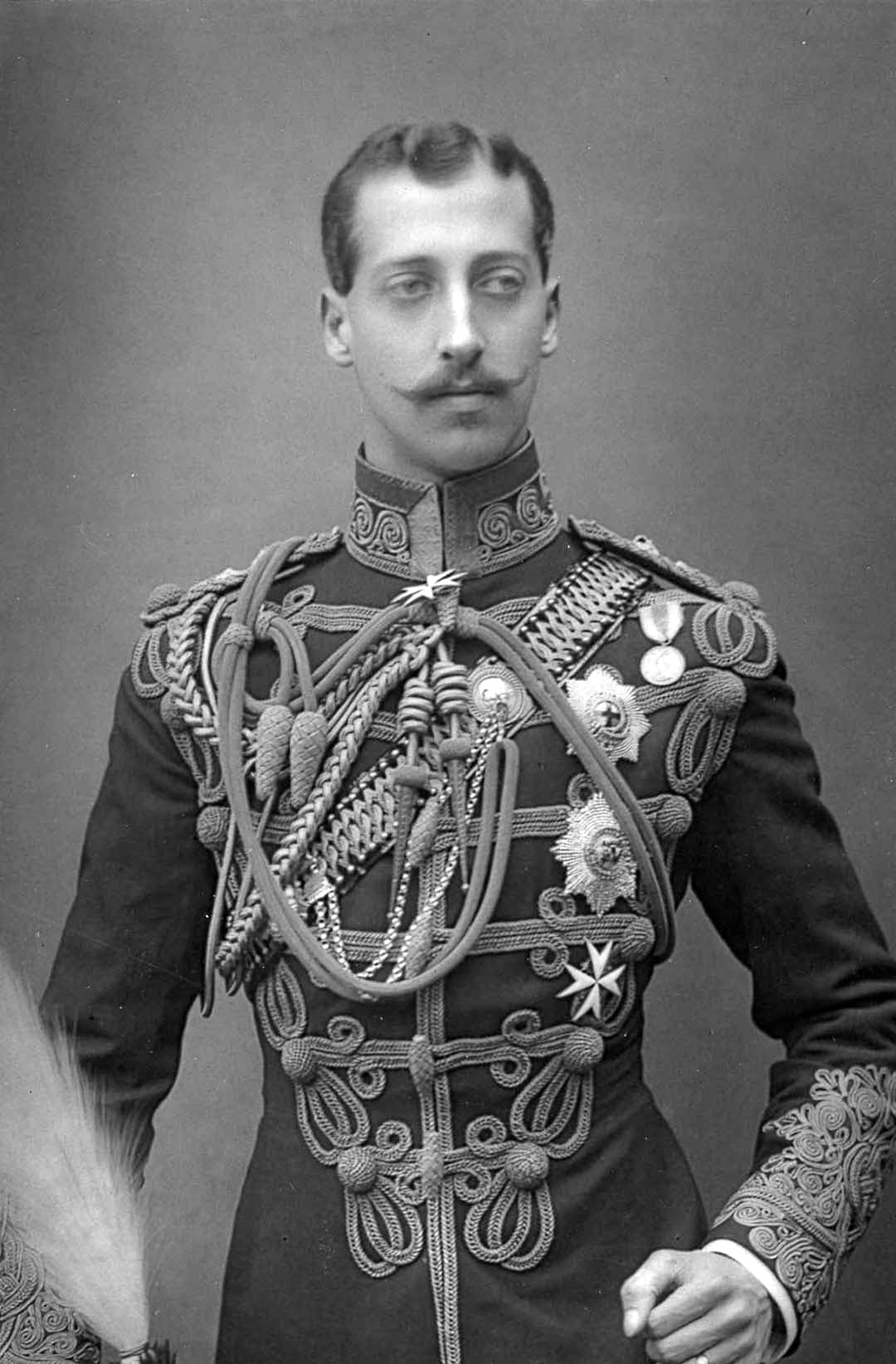
In the summer of 1889, Metropolitan Police detectives investigating a postal theft at the General Post Office in St Martin’s le Grand, London, stumbled upon something far larger. Post Office telegraph messenger boys — teenagers earning a few shillings a week — were supplementing their incomes by working at a male brothel at 19 Cleveland Street in Fitzrovia. When questioned, the boys named their clients. Among the names was Lord Arthur Somerset, equerry (personal attendant) to the Prince of Wales. More significantly, whispers reached Scotland Yard that Prince Albert Victor, Duke of Clarence — Queen Victoria’s eldest grandson and second in line to the throne — had also visited the premises.
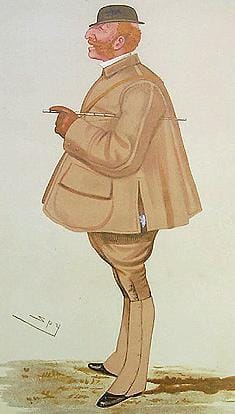
The investigation was handled with extraordinary delicacy. Lord Arthur Somerset was quietly allowed to flee to France before arrest warrants could be formally served. The Director of Public Prosecutions, Sir Augustus Stephenson, made the decision not to prosecute Somerset — a decision critics at the time and historians since have attributed to pressure from above to protect the Crown. The journalist Ernest Parke, editor of the North London Press, was prosecuted for criminal libel after naming the Earl of Euston in print, and was sentenced to twelve months in prison with hard labour. While Parke only hinted at a more highly-placed figure, the American press explicitly named Prince Albert Victor. Albert Victor himself was never charged, questioned, or officially implicated in any formal proceedings.
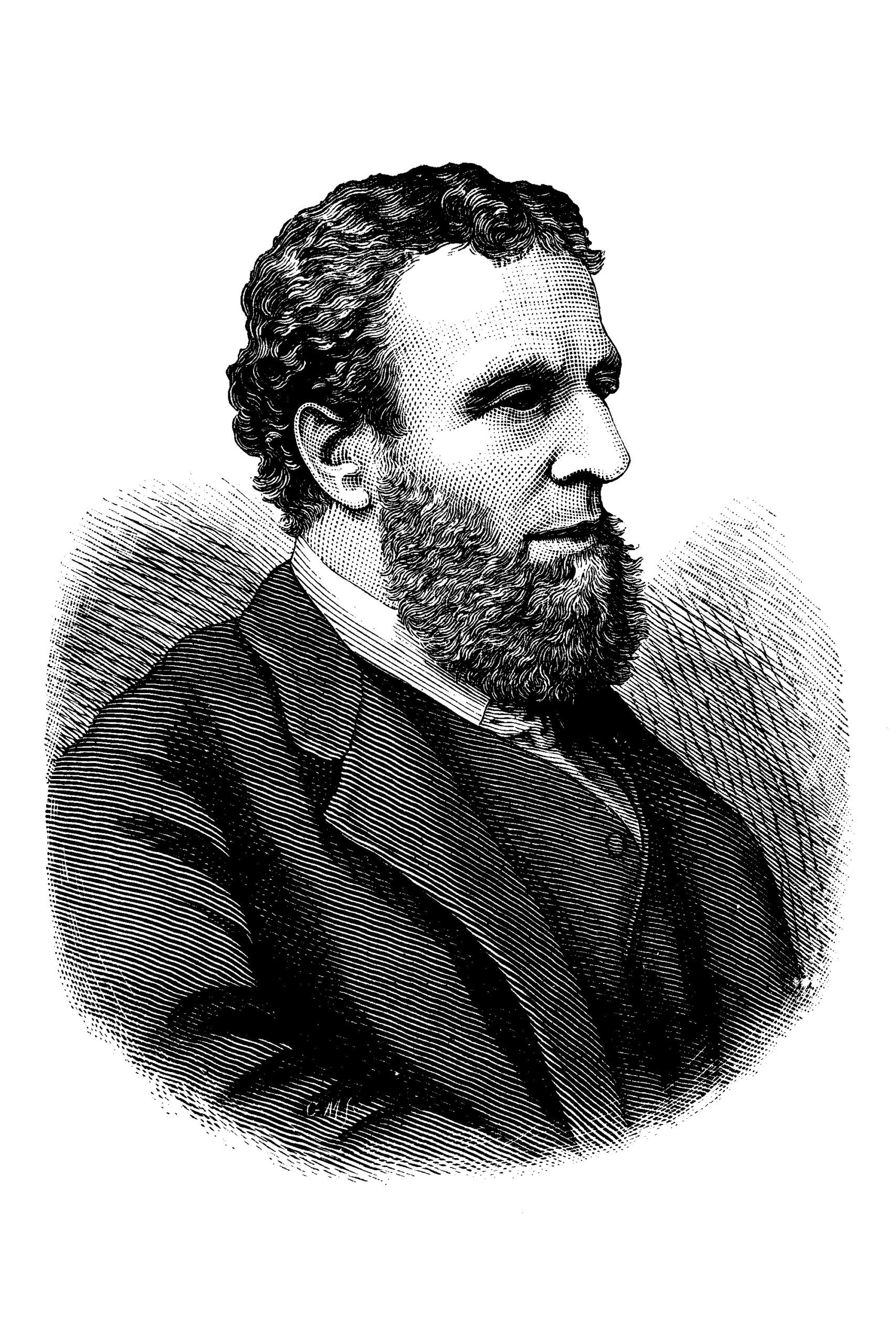
Prince Albert Victor died on January 14, 1892, of influenza, aged 28. Had he lived, he would have become King — his younger brother, George, became King George V instead. The Cleveland Street scandal did not die with him. Decades later, it was cited as circumstantial evidence in the theory, advanced most prominently by crime writer Stephen Knight in Jack the Ripper: The Final Solution (1976), that Albert Victor’s involvement in the scandal was connected to the Whitechapel murders of 1888. Serious forensic historians and criminologists have conclusively dismissed this theory — Albert Victor was verifiably elsewhere during the murders — but it persisted in tabloid culture for decades precisely because the original cover-up left so many questions unanswered.
1905–1919: Prince John — “A Great Relief”
Prince John Charles Francis, fifth son of King George V and Queen Mary, was born on July 12, 1905. He was a bright, sociable child who enjoyed performing magic tricks and had an open, loving nature. He also had epilepsy, and what contemporaries described as autistic characteristics. As his seizures became more frequent and more severe through childhood, the Royal Family made a decision.
In 1917, when John was eleven years old, he was moved permanently to Wood Farm on the Sandringham estate in Norfolk, in the care of his nanny Lalla Bill. He was effectively removed from public life, removed from royal functions, and removed from the family’s official narrative. He did not attend public events. He was not mentioned in official Court Circular reports. He existed in a kind of administrative absence — present on the estate, absent from the record.
Prince John died in his sleep at Wood Farm on the morning of January 18, 1919, aged thirteen, following a severe epileptic episode. His death was announced publicly — he was too senior a royal to simply disappear — but the circumstances of his final years, his removal from the family, and the conditions of his isolation had received no public attention whatsoever. Queen Mary described his death in a letter as a “great relief” for his restless soul, and her diary entry that day framed his passing as a mercy: “for him it is a great relief, as his malady was becoming worse.” Yet the institutional reality remained: he was erased from the public family circle to live out his days in isolation.
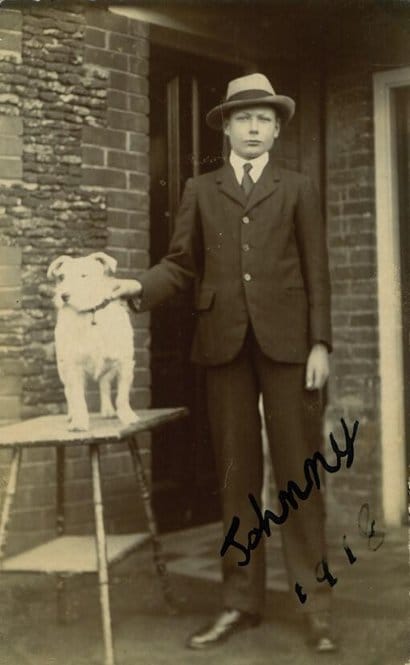
Queen Mary’s Diary — January 18, 1919
“Our poor darling little Johnnie had passed away suddenly after one of his epileptic attacks… The first break in the family circle is hard to bear but one must be thankful… it is a great relief.”
1930: Princess Alice of Battenberg — Freud, Forced Confinement, and Radiation “Treatment”
Princess Alice of Battenberg — Prince Philip’s mother — was diagnosed with schizophrenia in 1930 at the age of 45. What followed was a medical ordeal that reveals as much about the era’s treatment of inconvenient royal women as it does about psychiatry. On the orders of her husband, Prince Andrew of Greece and Denmark, and with the involvement of Sigmund Freud himself, Alice was committed to the Bellevue Sanatorium in Kreuzlingen, Switzerland. Freud’s “treatment” recommendation was to suppress her presumed sexual “libido” as the source of her illness. She was subjected to radiation of her ovaries to induce premature menopause.
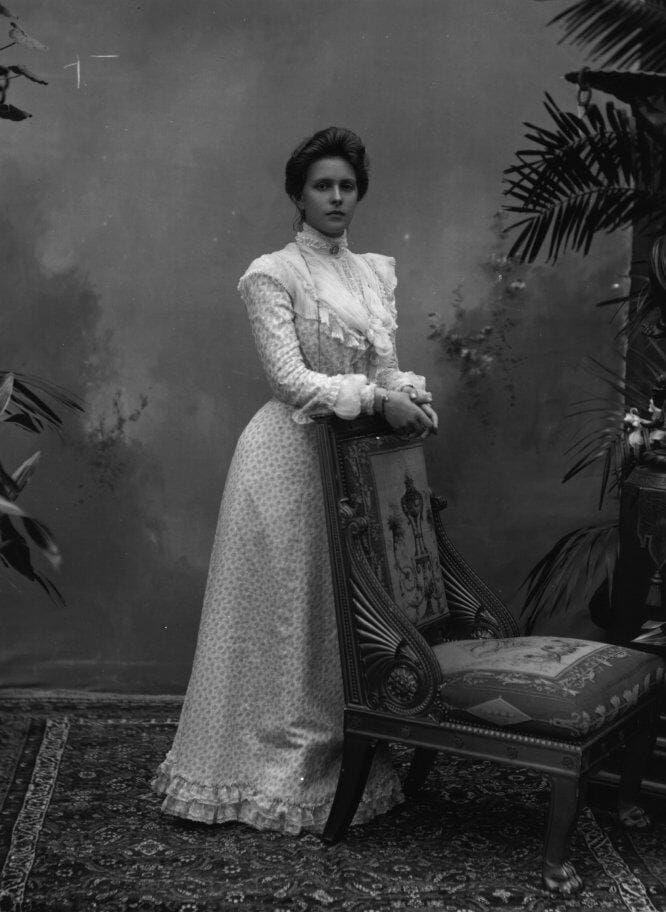
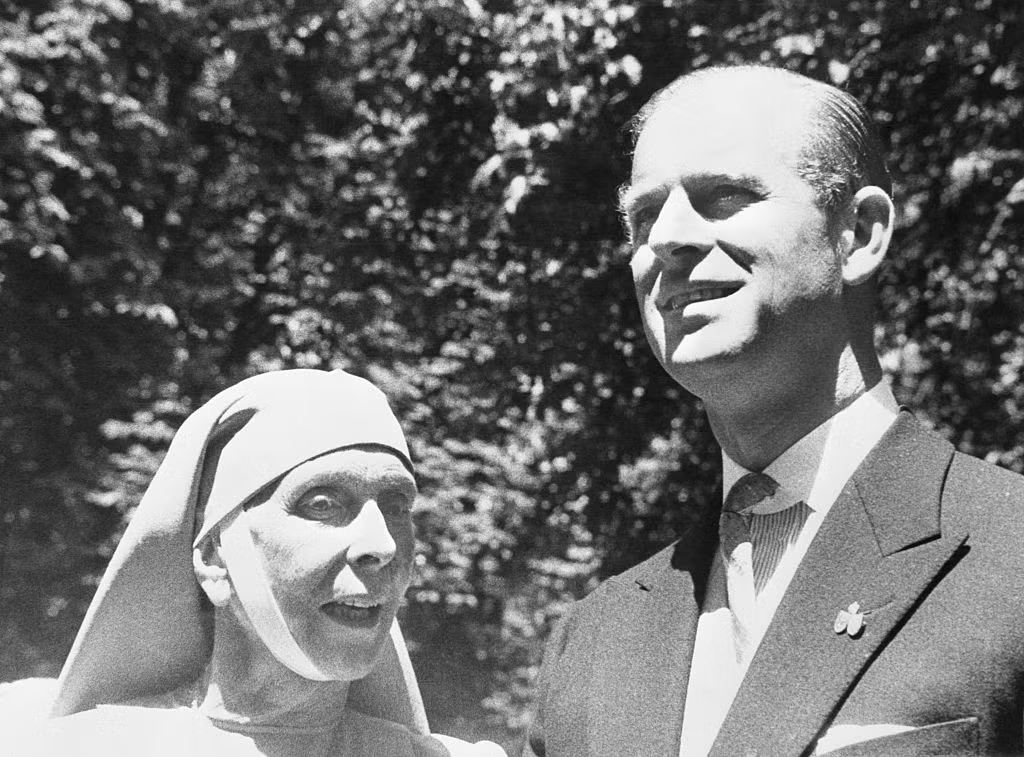
Alice remained confined in institutions from 1930 to approximately 1932. Her children — including the young Philip — were scattered to relatives across Europe. Philip essentially grew up without a mother. Alice later recovered sufficiently to found a Greek Orthodox nursing sisterhood in Athens, where she remained throughout the German occupation of Greece in World War II, sheltering a Jewish family at great personal risk. She was brought to live at Buckingham Palace near the end of her life and died there in December 1969. She was 84.
1941–2014: The Bowes-Lyon Sisters — Listed as Dead While Still Alive
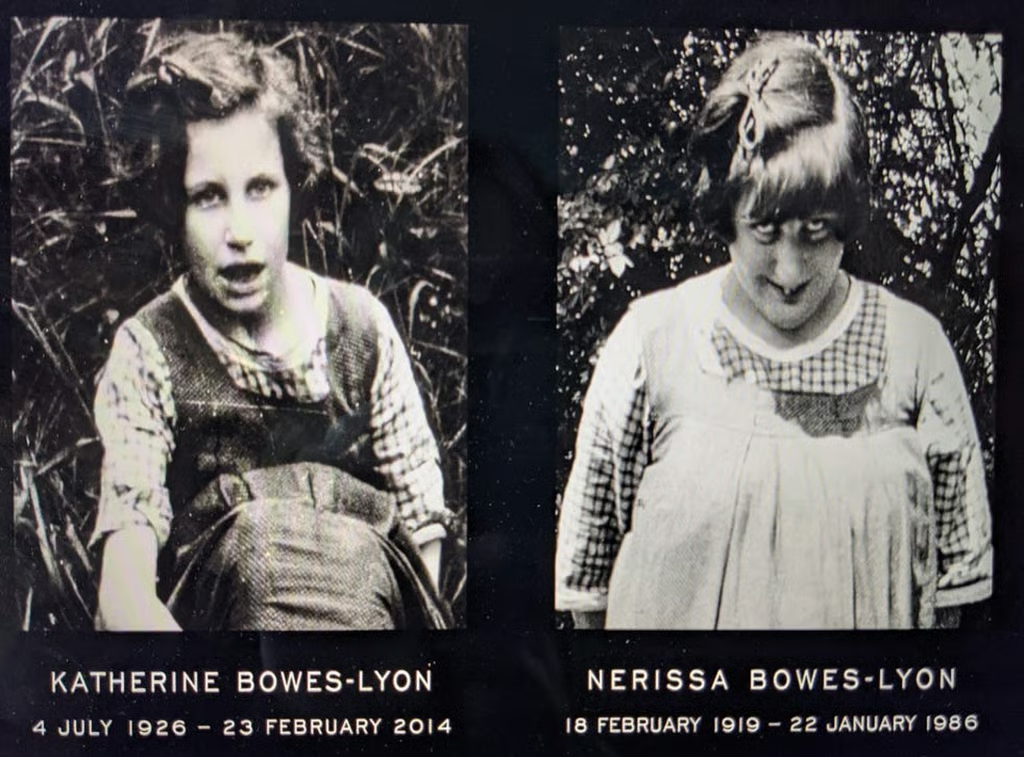
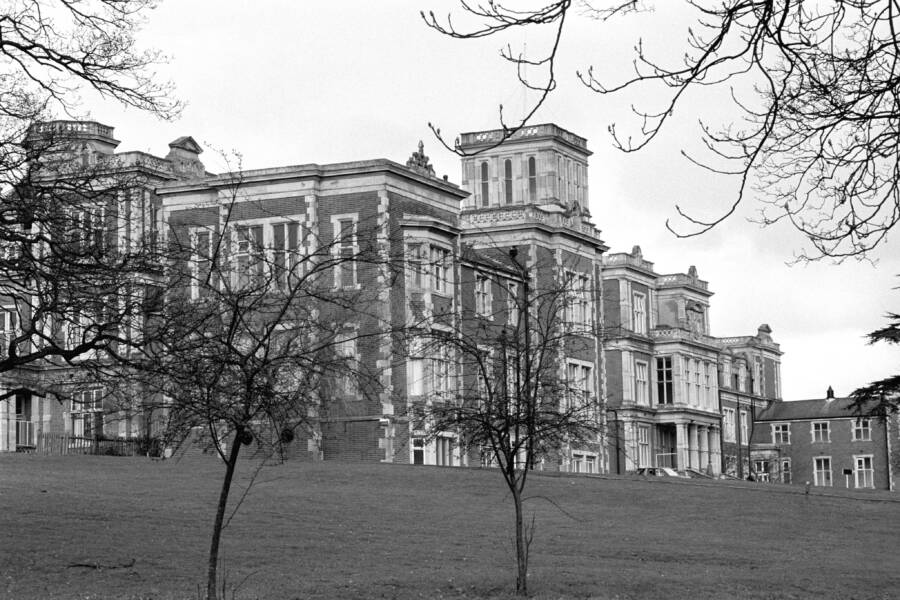
This is the secret that has never received the attention it deserves. Katherine Bowes-Lyon and Nerissa Bowes-Lyon were first cousins of Queen Elizabeth II — daughters of John Herbert Bowes-Lyon, the Queen Mother’s nephew. Both women had severe intellectual disabilities. In 1941, both were quietly institutionalized at Royal Earlswood Hospital in Surrey. Katherine was 14; Nerissa was 22.
In 1963, Burke’s Peerage — the authoritative reference guide to British aristocracy — recorded specific fictional death dates for both women: 1940 for Nerissa, and 1961 for Katherine. Both women were still alive. They were declared legally dead in an official peerage publication while living in an institution funded by a charity, not by the royal family or the state. Their existence was simply erased from the record. Nerissa died on January 22, 1986, at Royal Earlswood. She was buried in the hospital cemetery under a small plastic marker bearing only a number. Katherine died on February 23, 2014, in a care home — making her the longest-living royal secret of the modern era, alive for 51 years after her official “death” in Burke’s Peerage.
Why This Matters — Editorial
The treatment of John, Alice, Katherine, and Nerissa reveals a consistent institutional logic: members of the Royal Family whose existence was deemed inconvenient — through disability, illness, or nonconformity — were removed from the record. Not criminally. Quietly. Systematically. The monarchy had no language for these people, so it simply deleted them. That Katherine Bowes-Lyon was still alive, in a care home, when Kate Middleton married Prince William in 2011 and when the Queen celebrated her Diamond Jubilee in 2012 is not a historical curiosity. It is a fact about the institution as it exists in living memory.
Era 3: Romanovs
1917 — 1918
George V Abandons His Cousin to a Firing Squad
The Letters That Sentenced the Romanovs to Death
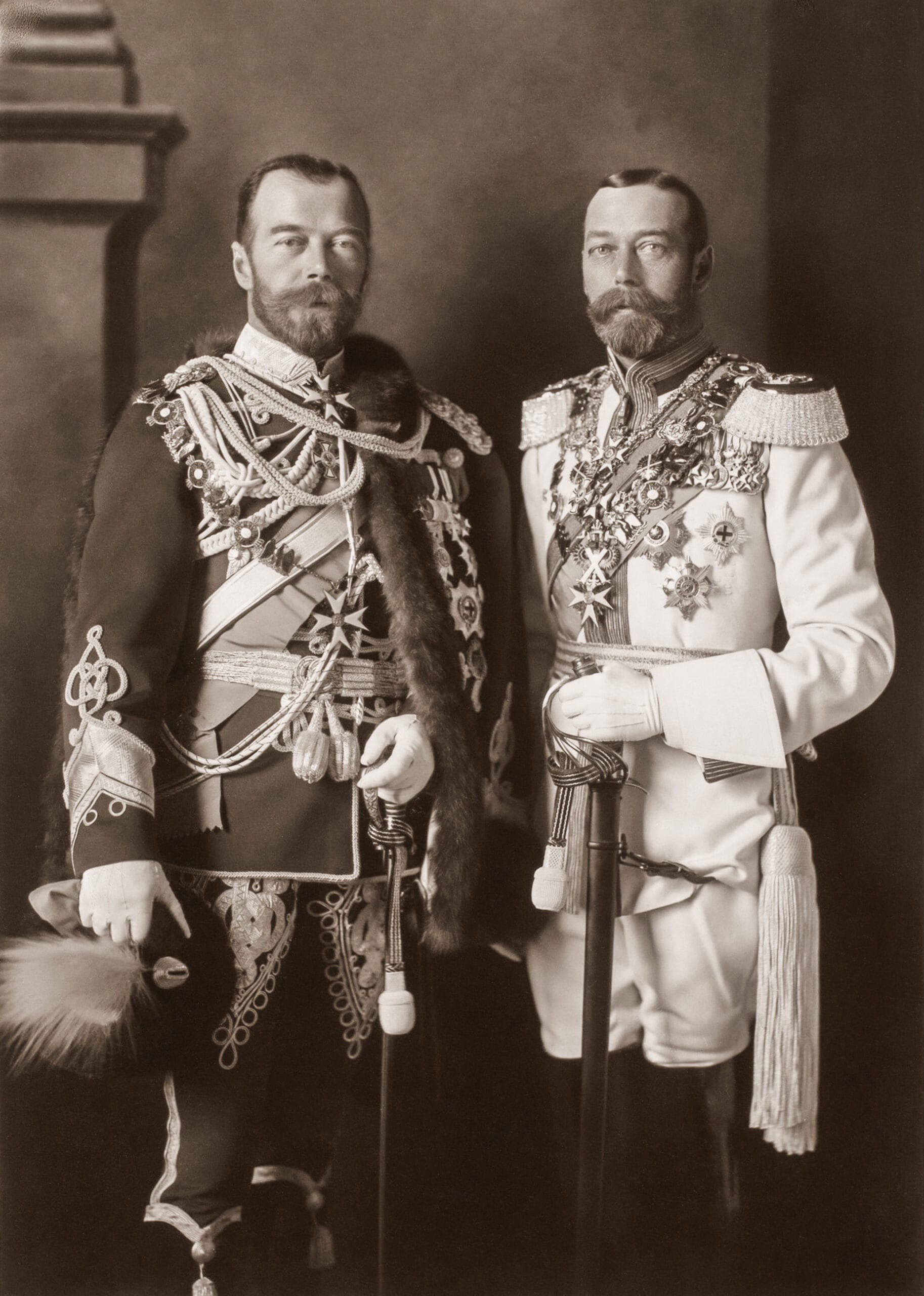
King George V and Tsar Nicholas II were first cousins — their mothers, Queen Alexandra and Empress Maria Feodorovna, were Danish sisters. They were so physically similar that family photographs of the two men standing side by side are routinely mistaken. In March 1917, following the February Revolution and the Tsar’s abdication, the Russian Provisional Government formally requested that Britain offer political asylum to Nicholas II, the Tsarina Alexandra, and their five children.
On March 22, 1917, Prime Minister David Lloyd George and the British War Cabinet formally agreed to the invitation. The Romanovs were to come to Britain. The decision was made. And then King George V changed his mind.
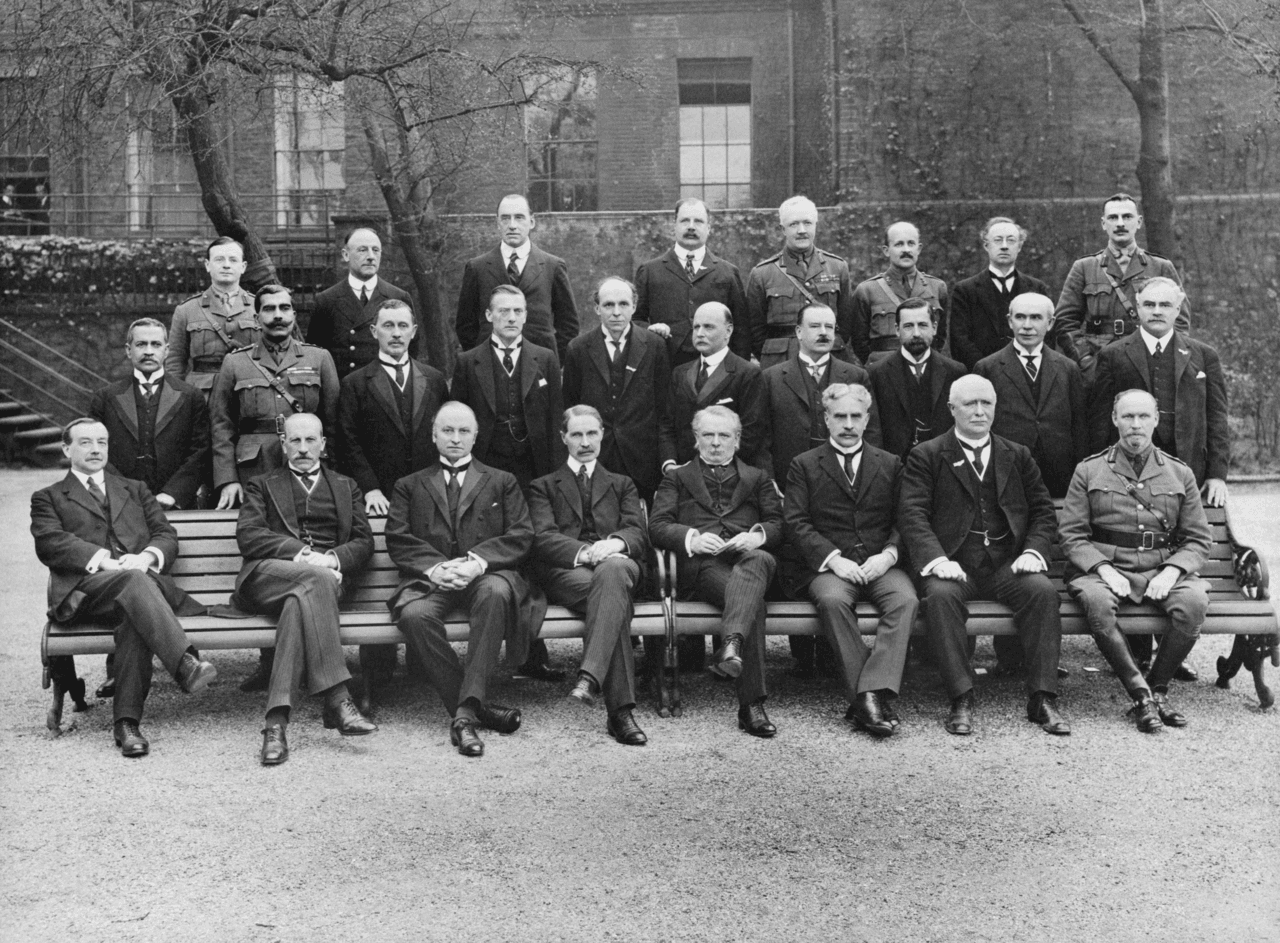
Between March 30 and April 6, 1917, the King’s Private Secretary, Lord Stamfordham (Arthur Bigge), wrote four increasingly urgent letters to Foreign Secretary Arthur Balfour and Prime Minister Lloyd George on the King’s explicit instructions. The contents of these letters — held in the Royal Archives and proven by biographer Kenneth Rose in his 1983 biography of George V — are unambiguous:
Lord Stamfordham to Arthur Balfour, April 1917 (Royal Archives)
“The King has strong personal objections to the presence of the Russian Imperial Family in this country… His Majesty doubts whether it is advisable to bring the Russian Imperial Family to England. Public opinion would be opposed to it.”
Lord Stamfordham, writing on King George V’s instructions, April 1917
The King’s reasoning was political self-preservation. The British Labour movement was growing. Republican sentiment was rising. Tsarina Alexandra — German-born, widely (and falsely) accused of pro-German sympathies — would have been deeply unpopular. Hosting the deposed autocrat of a country that had just descended into revolution seemed, to George V, like an existential risk to his own throne. Lloyd George bowed to the pressure, and the British asylum offer was quietly withdrawn.
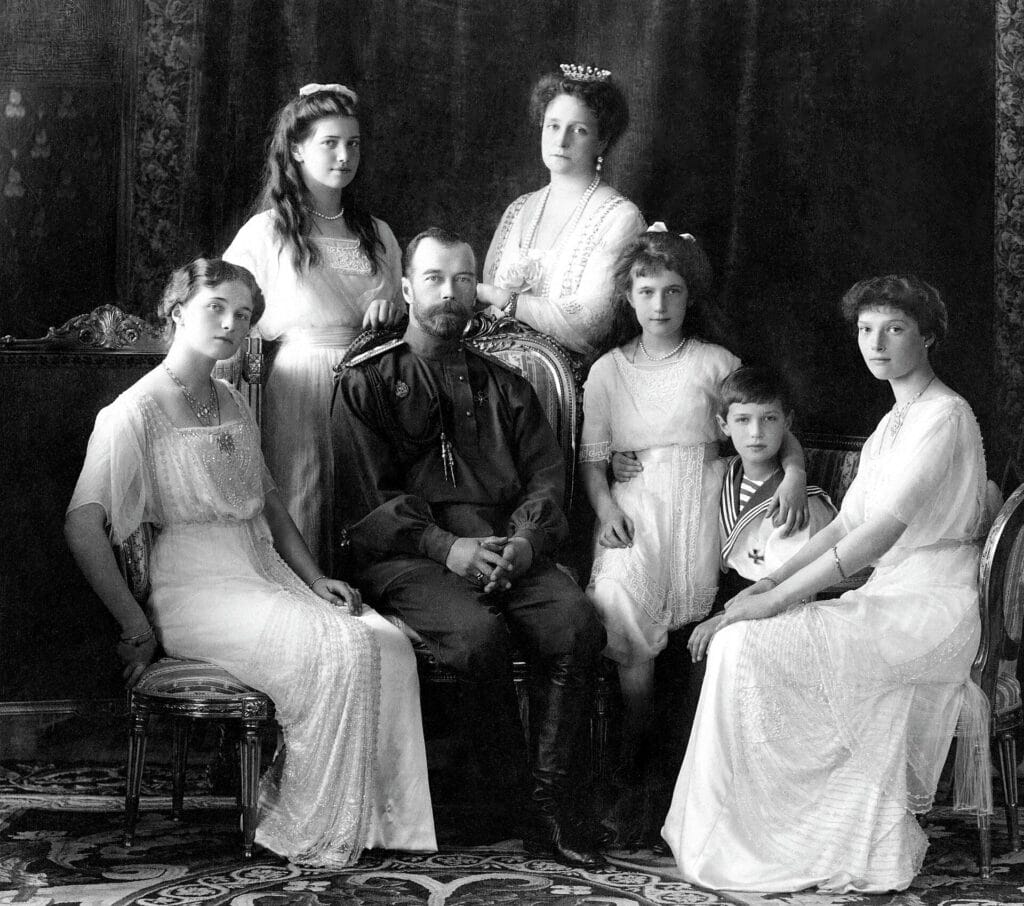
The Romanovs were moved to Tobolsk in Siberia, then to the Ipatiev House in Yekaterinburg. On the night of July 16–17, 1918, Tsar Nicholas II, Tsarina Alexandra, and their five children — Olga (22), Tatiana (21), Maria (19), Anastasia (17), and Alexei (13) — were taken to the basement and shot by a Bolshevik firing squad. Nicholas’s cousin George had refused to save them. For 65 years afterward, the British establishment allowed the historical record to blame Lloyd George for the decision. The truth — that the King had personally vetoed the rescue — was not definitively proved until Kenneth Rose published Lord Stamfordham’s correspondence in 1983.
Era 4: Nazi Scandal
1934 — 1945
The Nazi Scandal: Deeper Than History Books Tell You
Edward VIII, the Puppet King Plot, the Buried Microfilm, and the Royal Salutes
1934: The Balmoral Salute — The Young Queen Practices for the Camera
On July 18, 2015, The Sun published a 17-second black-and-white home movie filmed circa 1933 or 1934 at Balmoral. The footage shows Prince Edward (the Prince of Wales, future Edward VIII) demonstrating the Nazi salute to his sister-in-law, Queen Elizabeth the Queen Mother (wife of his brother, the future George VI), and his young nieces — Princess Elizabeth (the future Queen, aged approximately 7) and Princess Margaret (approximately 3–4). All of them perform the stiff-arm Nazi salute, repeatedly, for the camera, while laughing. Buckingham Palace’s response was immediate and revealing: they condemned the publication of the footage rather than addressing its content, describing it as “disappointing” that “film from Her Majesty’s personal family archive” had been obtained and exploited. They did not deny its authenticity.
1936–1937: “Every Drop of Blood in My Veins Is German”
Edward VIII was fluent in German and proud of his Hanoverian heritage, reportedly telling Louis Mountbatten: “Every drop of blood in my veins is German.” As King in 1936, during the remilitarization of the Rhineland, he privately communicated to German diplomats and British ministers that Britain should not oppose Germany — directly subverting his own Foreign Office. Special Branch and MI5 grew alarmed that classified government dispatch boxes (the red boxes) were being left open and unattended at his home, Fort Belvedere, accessible to his American companion, Wallis Simpson. The intelligence services suspected that Wallis — who maintained a close friendship with German Ambassador Joachim von Ribbentrop — was providing German contacts with access to state secrets.
The “17 carnations” story — a persistent intelligence rumour that Ribbentrop sent Wallis 17 red carnations daily, allegedly symbolizing 17 intimate encounters — was recorded in FBI files and corroborated by sources including Father Odo (Duke Carl Alexander of Württemberg), but was never legally proven. What was provable was the pattern: British intelligence took the risk of a foreign-compromised King seriously enough to accelerate pressure for his abdication in December 1936.
Albert Speer — Inside the Third Reich
“I am certain through him permanent friendly relations could have been achieved. If he had stayed, everything would have been different. His abdication was a severe loss for us.”
— Adolf Hitler, on Edward VIII
October 22, 1937: The Meeting at Berchtesgaden
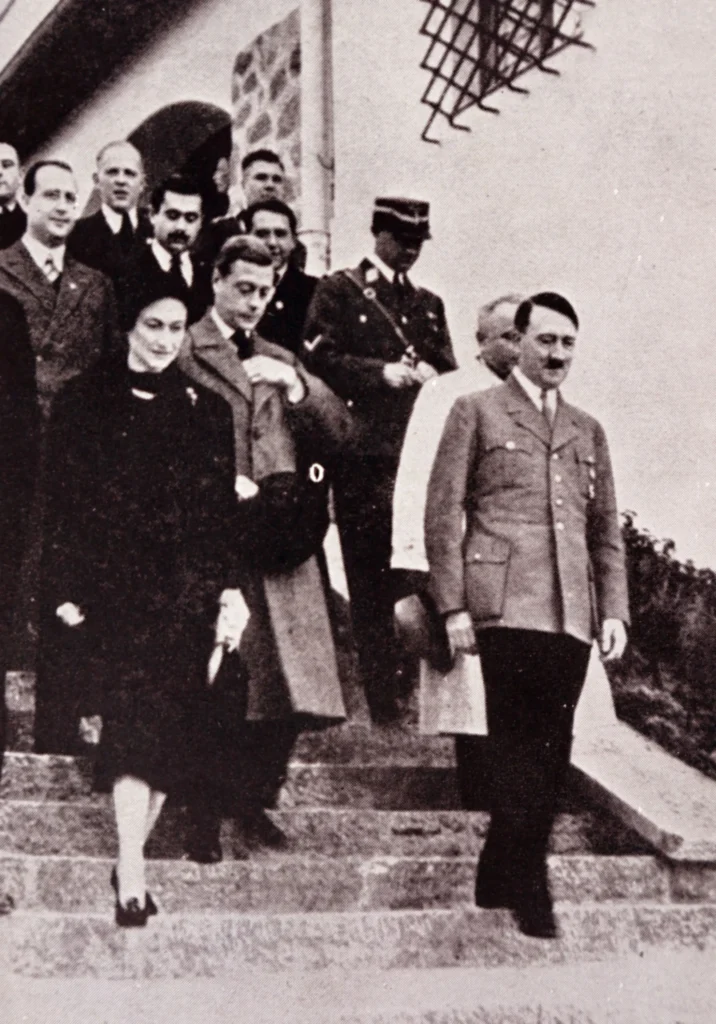
Ten months after his abdication, the Duke and Duchess of Windsor undertook an 11-day tour of Nazi Germany — October 11–23, 1937 — against the explicit advice of the British government, Buckingham Palace, and Prime Minister Neville Chamberlain. The tour was arranged by Charles Bedaux (a French-American Nazi collaborator) and Dr. Robert Ley, head of the German Labour Front. The itinerary included: the SS Leibstandarte Adolf Hitler barracks at Lichterfelde; a visit to Karinhall, Hermann Göring’s estate, where the Reichsmarschall showed off his miniature railway and discussed air power; Krupp armaments factories in Essen; the Reich Party Rally Grounds in Nuremberg. Throughout, the Duke gave full Nazi salutes to SS guards, Hitler Youth formations, and public crowds. The images were captured by Hitler’s personal photographer, Heinrich Hoffmann, and distributed worldwide by the German Propaganda Ministry.
The climax came on October 22, 1937, at Hitler’s alpine residence, the Berghof, at Berchtesgaden. Hitler greeted the Duke and Duchess at the foot of the Grand Staircase. The Duke and Hitler then met privately for over an hour, with Hitler’s chief interpreter, Dr. Paul-Otto Schmidt, present. The Duke spoke German fluently. Schmidt’s post-war testimony confirmed the conversation centred on Anglo-German relations and British politics. After the meeting, Hitler privately told Schmidt: “She would have made a good Queen.”
Operation Willi: The 50 Million Swiss Franc Bribe to Make a Puppet King
After France fell in June 1940, the Windsors fled to Madrid and then to Cascais, Portugal, where they stayed at the private villa of Portuguese banker Ricardo do Espírito Santo Silva — a man with known Axis business connections. Ribbentrop and Hitler authorized Operation Willi in July 1940: a plan to coerce or kidnap the Duke and keep him in the Iberian Peninsula, where he could serve as a puppet monarch following a successful German invasion of Britain or a negotiated peace with Churchill’s successor.
SS-Brigadeführer Walter Schellenberg was dispatched to execute the plot. Hitler authorized a bribe of 50 million Swiss francs to be deposited in a Swiss bank account in the Duke’s name. Schellenberg deployed psychological tactics: agents threw stones and fired airgun pellets at the Duke’s villa windows; letters were left warning that British intelligence (MI6) was planning to assassinate him. Meanwhile, Spanish intermediaries — Don Javier Bermejillo and diplomat Miguel Primo de Rivera — relayed offers from Franco’s government. German Ambassador Eberhard von Stohrer‘s cables to Ribbentrop, later recovered in the Marburg Files, recorded the Duke’s reported statements: “continued heavy bombing will make England ready for peace”; and attacks on Churchill as a warmonger and his brother George VI as unintelligent.
Winston Churchill was not unaware. He dispatched Sir Walter Monckton to Lisbon to enforce compliance, and sent the Duke two stern cables — on July 4 and July 7, 1940 — warning that refusal of government orders would result in court-martial and the complete termination of his royal allowances. On August 1, 1940, the Duke and Duchess of Windsor boarded the American liner SS Excalibur from Lisbon, bound for the Bahamas. Operation Willi was over.
The Marburg Files: Buried Microfilm, Anthony Blunt, and Churchill’s Cover-Up
In May 1945, as American troops advanced through Thuringia and Hesse, they seized approximately 400 tons of German Foreign Ministry archives at Schloss Marburg. Among those captured was Karl von Loesch, assistant to Hitler’s interpreter Dr. Schmidt, who had been ordered to burn the diplomatic records. Instead, he had buried approximately 20 rolls of microfilm in metal canisters in the forests outside Marburg. On his capture, Loesch led British intelligence officer Lieutenant Colonel R. C. Thomson to the buried canisters. They contained approximately 60 high-level diplomatic cables: the Windsor Telegrams — the documentary record of Nazi negotiations with the Duke of Windsor in the summer of 1940.
Simultaneously, in March 1945, King George VI dispatched Royal Librarian Sir Owen Morshead and MI5 officer and art historian Anthony Blunt — later unmasked as the Fourth Man in the Cambridge Soviet spy ring — on a secret mission to Schloss Friedrichshof (Kronberg Castle) in Germany, the seat of the Landgraves of Hesse. The official cover: recovering Queen Victoria’s letters to Empress Victoria of Prussia. The actual mission, documented by intelligence historians: recovering compromising correspondence between Edward VIII and his pro-Nazi German royal cousins, including Prince Philipp of Hesse and Prince Christoph of Hesse. Those files were placed in the sealed Royal Archives at Windsor Castle, where they remain.
In 1953, when an international team of historians was preparing to publish the Windsor Telegrams in the official scholarly series Documents on German Foreign Policy, Prime Minister Winston Churchill wrote directly to US President Dwight D. Eisenhower, urging him to suppress the files permanently. Churchill described the documents as “unreliable” and “unfair to the Duke.” Eisenhower declined to destroy them. The files were published in 1957 in Volume X, Series D of the DGFP. The Duke issued a statement calling them “complete fabrications.” The Royal Archives at Windsor remain closed to independent historians on this subject to this day.
Prince Philip’s Four Sisters — The Nazi Marriages Nobody Mentions
| Philip’s Sister | Husband | Nazi Connection |
|---|---|---|
| Princess Sophie | Prince Christoph of Hesse | SS-Oberführer; head of Göring’s intelligence division; named son “Karl Adolf” after Hitler |
| Princess Cecilie | Georg Donatus of Hesse | Both joined NSDAP May 1, 1937; killed in plane crash November 1937; Nazi state funeral in Darmstadt — 16-year-old Philip walked in procession surrounded by SS uniforms |
| Princess Margarita | Gottfried of Hohenlohe-Langenburg | Husband joined NSDAP; served as Wehrmacht officer on Eastern Front |
| Princess Theodora | Berthold, Margrave of Baden | Husband served as German military officer in invasion of France |
None of Philip’s three surviving sisters — Sophie, Margarita, and Theodora — were permitted to attend his wedding to Princess Elizabeth in November 1947. Their exclusion was driven by anti-German sentiment in post-war Britain. The British public, who adored the wedding, did not know Philip had four sisters married to Nazi officers. The Palace did not tell them.
The Modern Echo — 2005
The spectre of Nazi imagery did not end in the 1940s. In January 2005, Prince Harry was photographed wearing a desert uniform with a swastika armband at a friend’s “Native and Colonial” themed costume party. The photo was published on the front page of The Sun — the same newspaper that would later publish the 1933 Balmoral video. Harry later called it “one of the biggest mistakes of my life.”
Era 4.5: Margaret & Townsend
1953 — 1955
Princess Margaret: Forced to Choose Between Love and the Crown
In the early 1950s, Princess Margaret fell deeply in love with Group Captain Peter Townsend, her late father’s equerry. He was a celebrated Battle of Britain hero, but he carried a fatal constitutional flaw: he was divorced. In 1953, photographers caught Margaret tenderly brushing a piece of lint off his uniform at the Queen’s coronation, sparking a relentless media frenzy. The Church of England, headed by Margaret’s own sister, the Queen, barred the remarriage of divorced people with living ex-spouses. Buckingham Palace courtiers fiercely opposed the match, and Winston Churchill’s government exiled Townsend to a diplomatic post in Brussels to separate them.
On October 31, 1955, after immense institutional pressure, Margaret issued a formal public statement abandoning the relationship: “I have decided not to marry Group Captain Peter Townsend… mindful of the Church’s teachings that Christian marriage is indissoluble, and conscious of my duty to the Commonwealth.” Townsend later remarked that had she chosen otherwise, she “would have been stripped of practically everything.” The episode became a defining tragedy of the modern monarchy, proving that the institution would ruthlessly cannibalize the happiness of its own members to protect its pristine image.
Era 5: 1969 Documentary
1969 — 2021
The Documentary They Aired Once and Then Buried
In 1969, the BBC broadcast a 110-minute fly-on-the-wall documentary called Royal Family, directed by Richard Cawston. It was conceived by Prince Philip and royal press secretary William Heseltine as a modernising exercise: show the Windsors as a normal family to counter declining public interest in the monarchy. Over 30 million people watched it in the UK. Approximately 350 million watched worldwide. It showed Prince Philip cooking sausages at a Balmoral barbecue, the Queen buying ice cream from a local shop with loose change for a young Prince Edward, family breakfast scenes, Prince Charles practising cello and snapping a string on his brother’s head. It was warm, revealing, and — from a constitutional standpoint — catastrophic.
The political theorist Walter Bagehot had written in 1867: “We must not let in daylight upon magic.” Courtiers understood the problem immediately. A monarch who barbecues sausages and buys ice cream is relatable. A relatable monarch invites the public to ask why a relatable person requires hereditary tax exemptions, grand palaces, and a civil list. In 1972, Queen Elizabeth II ordered the film locked in the Royal Archives at Windsor Castle. It could not be broadcast, screened, or released without the personal written permission of the reigning monarch. It effectively ceased to exist for most of the public.
In January 2021, an anonymous user uploaded the complete 110-minute film in pristine quality to YouTube. It went viral within hours, amassing tens of thousands of views before Buckingham Palace and the BBC issued aggressive copyright takedown notices, scrubbing copies from YouTube, Vimeo, and social media platforms. The episode illustrated, with unintentional precision, exactly why the film had been suppressed in the first place: the public’s appetite for it, 52 years after it aired, suggested that the Palace’s instinct to hide it was correct. Daylight remained dangerous.
Era 6: Tampongate
1989 — 1992
Tampongate, Squidgygate, and the Year the Royal Marriage Broke Britain
On December 18, 1989, a six-minute phone call took place between Prince Charles and his long-time companion Camilla Parker Bowles while both were married to other people. The call was recorded by an amateur radio enthusiast scanning analog car phone frequencies. For three years, the audio was held privately. Then, on January 13, 1993, Australian magazine New Idea published a transcript. Four days later, the Sunday Mirror and Sunday People published it in Britain. The content ended any remaining public pretence about the state of the Wales marriage.
The “Tampongate” Call — December 18, 1989
Charles: “Oh, God. I’ll just live inside your trousers or something. It would be much easier!”
Camilla: “What are you going to turn into, a pair of knickers?”
Charles: “Or, God forbid, a Tampax. Just my luck!”
Camilla: “You are a complete idiot! Oh, what a wonderful idea.”
Charles: “My luck to be chucked down a lavatory and go on and on forever swirling round on the top, never going down.”
Charles: “I need you several times a week… Your greatest achievement is to love me.”
The publication came one month after Prime Minister John Major had announced the formal separation of Charles and Diana in the House of Commons on December 9, 1992. Church of England bishops publicly questioned whether Charles could serve as Supreme Governor of the Church. Satirists made the Tampax exchange a defining cultural reference. Prince Philip was reportedly furious. The Queen was dismayed. Privately, the Way Ahead Group — a secret royal strategy council formed in 1992 after the Queen’s self-described annus horribilis (Windsor Castle fire, royal separations, Andrew and Sarah’s split, Princess Anne’s divorce) — was tasked with managing the existential damage.
Less remembered but equally significant was Squidgygate: a recorded phone call between Princess Diana and her close friend James Gilbey, published by The Sun on August 23, 1992 — four months earlier. Gilbey referred to Diana as “Squidgy” fourteen times and “darling” 53 times. Diana was recorded saying: “After all I’ve done for this fucking family…” Former protection officer Ken Wharfe testified at the 2008 inquest that British intelligence (GCHQ/MI5) was monitoring royal phone communications, and that the recording may have been broadcast on a radio frequency loop specifically to allow amateur radio hobbyists to record it — meaning its eventual publication was not an accident.
Era 7: Diana
1995 — 1997
Princess Diana: Everything You Still Don’t Know
The Mishcon Note, Henri Paul’s 15 Bank Accounts, and the Questions That Remain
October 1995: Diana Tells Her Lawyer She Fears a Staged Car Crash
Two years before her death, on October 30, 1995, Princess Diana held a private meeting with her personal divorce solicitor, Lord Victor Mishcon. She told him that “reliable sources” had warned her the Royal Family would attempt to “get rid of her” through a staged car accident — specifically, brake failure — to be arranged by April 1996. Mishcon made contemporaneous notes of the meeting. Following Diana’s death in the Pont de l’Alma tunnel on August 31, 1997, Lord Mishcon handed his notes directly to Metropolitan Police Commissioner Sir Paul Condon. Condon locked the notes in a safe at New Scotland Yard. They were kept secret from the French investigators conducting their own inquiry. They were kept from the public. They were not disclosed for six years — until Lord Condon’s successor, Lord Stevens, unearthed them while conducting Operation Paget in 2003.
Diana’s Letter to Paul Burrell — Written 1993–1996
“This particular phase in my life is the most dangerous — my husband is planning ‘an accident’ in my car, brake failure and serious head injury in order to make the path clear for him to marry Tiggy.”
— Handwritten letter given to her butler Paul Burrell in a sealed envelope marked “Paul, to keep just in case.” Published in Burrell’s 2003 book A Royal Duty. Prince Charles was questioned under caution by Lord Stevens.
August 31, 1997: The Crash — Minute by Minute
At 00:20 on August 31, 1997, Diana and Dodi Fayed left the Ritz Hotel via the rear Rue Cambon entrance in a black 1994 Mercedes-Benz S280, driven by Henri Paul, the hotel’s Deputy Head of Security. Henri Paul had been off-duty since 19:00 but was summoned back by Ritz management. CCTV showed him drinking at the Bar Vendôme while waiting. In the front passenger seat was bodyguard Trevor Rees-Jones — the only occupant wearing a seatbelt. Diana and Dodi sat in the rear, neither belted.
At 00:26, the Mercedes entered the Pont de l’Alma underpass at a speed calculated by forensic engineers at between 118 km/h and 155 km/h — in a 50 km/h zone. The car clipped the rear of a white Fiat Uno, swerved left, and slammed head-on into the 13th reinforced concrete pillar. Henri Paul and Dodi Fayed were killed instantly. Trevor Rees-Jones survived with catastrophic facial trauma. Diana suffered a catastrophic tear to her left pulmonary vein.
| Time | Event |
|---|---|
| 00:20 | Mercedes departs Ritz Hotel rear entrance, Rue Cambon. Henri Paul driving. |
| 00:26 | Crash — Pont de l’Alma underpass, Pillar 13. Henri Paul and Dodi killed instantly. |
| 00:40 | SAMU Ambulance 45 arrives. Dr. Jean-Marc Martino begins stabilization at scene. |
| 01:00 | Diana suffers cardiac arrest inside wreckage. Resuscitated at scene. |
| 01:41 | Ambulance departs for Pitié-Salpêtrière Hospital — 6.1 km away. Dr. Martino orders 20–30 km/h; stops 5 minutes near Jardin des Plantes for blood transfusion. |
| 02:06 | Ambulance arrives at hospital after 25-minute journey. |
| 04:00 | Princess Diana pronounced dead. |
Henri Paul’s toxicology revealed a blood alcohol concentration of 1.74–1.87 g/L — over three and a half times the French legal driving limit — combined with therapeutic levels of fluoxetine (Prozac) and Tiapride, a French neuroleptic prescribed to treat alcohol withdrawal, whose combination with alcohol severely impairs reaction time and motor control. His body also showed a carboxyhaemoglobin level of 20.7% — a concentration typically associated with heavy carbon monoxide poisoning, which would ordinarily have incapacitated a person with severe headaches and disorientation before they could drive. Forensic toxicologists offered explanations (heavy smoking, urban traffic, post-mortem gas decomposition), but the anomaly has never been entirely resolved.
Henri Paul’s bank accounts presented a separate mystery. Despite earning an annual salary of approximately 200,000 French francs, he held 15 separate bank accounts containing a combined total of over 1.7 million French francs, and was carrying 12,560 francs in cash on his person the night he died. Operation Paget concluded the funds were accumulated tips, savings, and gratuities from wealthy Ritz patrons over a decade-long career. Critics have never fully accepted that explanation.
At 14:00 on August 31, before Prince Charles arrived in Paris to repatriate Diana’s body, British Consul-General Martin Low and French authorities authorized embalmer Jean Monceau to inject formaldehyde preservatives into Diana’s body at Pitié-Salpêtrière. Under French law, embalming is explicitly forbidden in cases of violent or suspicious death until a judicial autopsy is completed. The embalming made standard post-mortem urine and blood hormone testing for pregnancy — one of Mohamed Al Fayed’s central claims — impossible by conventional pathology. French authorities defended the decision on grounds of decomposition in summer heat. Operation Paget tested pre-transfusion blood samples taken at the hospital and found zero presence of the pregnancy hormone hCG, concluding Diana was not pregnant.
Three official investigations reached the same core conclusion: accidental death. The French judicial inquiry in 1999 found Henri Paul’s alcohol and drug impairment caused the crash. The Metropolitan Police’s Operation Paget — an investigation costing over £12.5 million, producing an 832-page report, and evaluating 175 specific conspiracy allegations — found no evidence of MI6 involvement, no evidence of a murder plot, and no evidence of pregnancy. The 2008 UK inquest jury, presided over by Lord Justice Scott Baker, returned a verdict of “Unlawful Killing” caused by the grossly negligent driving of Henri Paul and the grossly negligent driving of the pursuing paparazzi. Lord Justice Scott Baker told the jury there was “not a shred of evidence” to support Mohamed Al Fayed’s murder claims.
Era 8: Money
1993 — 2022
The Money: Offshore Accounts, Zero Inheritance Tax, and Wills Sealed for 90 Years
The Royal Family’s financial arrangements are not secret in the sense that they are classified — they are secret in the sense that they are extraordinarily complex, almost never explained in accessible terms, and structured in ways that would be politically impossible to introduce for any ordinary citizen. Here is the actual picture.
The Duchy of Cornwall: A £1.2 Billion Empire Paying No Corporation Tax
The Duchy of Cornwall is a private real estate and commercial portfolio comprising over 130,000 acres across 20 English and Welsh counties, valued at over £1.2 billion. It includes farmland, residential developments (Poundbury, Nansledan), the Oval Cricket Ground, and Dartmoor National Park. It generates approximately £23–24 million in annual surplus, paid directly to Prince William as Duke of Cornwall. The Duchy pays zero Corporation Tax and zero Capital Gains Tax. Tenants who hold long-lease properties on Duchy land have historically been denied the right to purchase their freeholds — an exemption from the Leasehold Reform Acts that applies only because the Duchy is classified as a Crown body.
A 2024 investigation by the Sunday Times and Channel 4’s Dispatches revealed that the Duchy charges commercial rent to cash-strapped public bodies: a £37 million, 25-year lease to the Ministry of Justice for Dartmoor Prison; over £1 million to the Ministry of Defence for naval jetties in Devon; commercial access rents to state-funded schools and local councils. The Duchy takes taxpayer money via these arrangements while paying no business taxes of its own.
The Paradise Papers: The Queen’s Cayman Islands Investment in a Predatory Lender
In November 2017, the International Consortium of Investigative Journalists published the Paradise Papers — leaked documents from offshore law firm Appleby. The documents revealed that the Duchy of Lancaster (the Queen’s private estate) had secretly invested approximately £10 million in offshore funds in the Cayman Islands and Bermuda. A fraction of this offshore exposure (amounting to roughly a few thousand pounds) flowed through the Dover Street VI Cayman Fund LP, which in turn held a stake in BrightHouse — a UK rent-to-own retailer that charged interest rates of up to 99.9% on household appliances, targeting Britain’s most financially vulnerable citizens. The fund also invested in Threshers, an off-licence chain that went bankrupt owing £17.5 million in tax and leaving large pension deficits. The Queen’s estate was profiting, offshore, from predatory lending to the poor.
The 0% Inheritance Tax Secret — And the Sealed Wills
In 1993, Prime Minister John Major and Queen Elizabeth II agreed to the Memorandum of Understanding on Royal Taxation. Section 5.1 established that property passing from one reigning sovereign to the next — Monarch to Monarch — is 100% exempt from UK inheritance tax. Standard inheritance tax in Britain is 40% on estates above £325,000. The stated rationale was to preserve hereditary assets across royal generations. The practical consequence:
| Event | Estate Value | Inheritance Tax Paid | Estimated Saving |
|---|---|---|---|
| Queen Mother’s death (2002) | £50m–£70m | £0 | ~£20m–£28m |
| Queen Elizabeth II’s death (2022) | £500m–£700m+ | £0 | ~£200m–£280m |
The practice of sealing royal wills provides further protection. Since 1910, when the will of Prince Francis of Teck was sealed to conceal a secret bequest of family emeralds to his married mistress, the Countess of Kilmorey, over 30 Royal Family members have had their wills placed in a private vault by the President of the High Court Family Division and sealed from public scrutiny. The wills of Prince Philip (died April 2021) and Queen Elizabeth II (died September 2022) are sealed for a minimum of 90 years, meaning the full distribution of the royal estate — who received what, in what amounts — will not be known until approximately 2112.
Era 9: Andrew / Epstein
1999 — 2026
Prince Andrew: From Epstein’s Inner Circle to Thames Valley Police Custody
Prince Andrew, Duke of York, met Jeffrey Epstein in 1999 through their mutual connection, Ghislaine Maxwell. The relationship was quickly embedded in royal circles. In 1999, Epstein was invited to Balmoral Castle. In June 2000, he attended the Queen’s party at Windsor Castle. In December 2000, he joined Andrew for a shooting weekend at Sandringham. These were not casual acquaintances — they were invitations to the most private spaces in the British royal calendar.
Virginia Giuffre alleged she was forced to have sex with Andrew at three locations when she was 17, in 2001: at Ghislaine Maxwell’s Belgravia townhouse in London; at Epstein’s New York mansion; and at Epstein’s private island, Little St. James in the US Virgin Islands. A photograph taken on March 10, 2001 at Maxwell’s London home — showing Andrew with his arm around a 17-year-old Giuffre while Maxwell smiles in the background — became one of the most contested images in royal history. Andrew publicly claimed the photo was doctored. Subsequent emails and witness statements authenticated it.
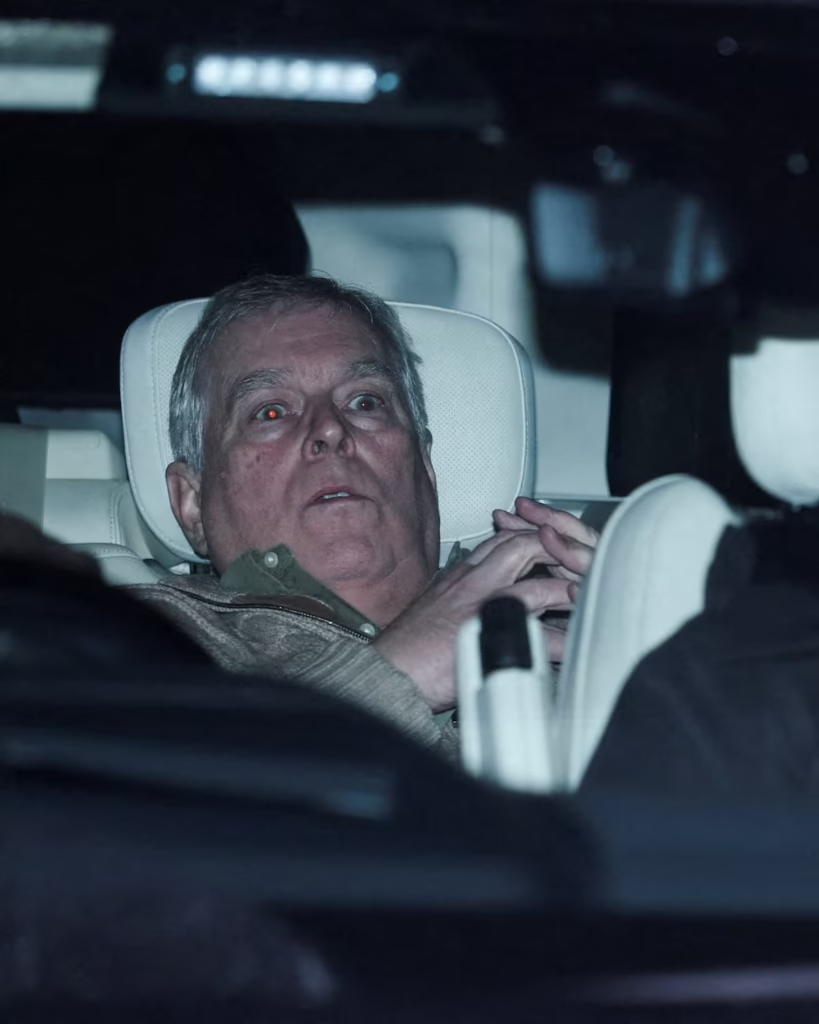
Newsnight — November 2019
Andrew claimed a “medical condition” from Falklands War adrenaline meant he could not sweat — contradicting Giuffre’s account. He gave the Pizza Express Woking alibi for March 10, 2001. Within days, he was stripped of public royal duties.
| Date | Event |
|---|---|
| Dec 2010 | Andrew photographed walking with Epstein in Central Park — one year after Epstein’s 2008 sex offender conviction. Andrew says he visited to “honourably end the friendship in person.” |
| Nov 2019 | Newsnight interview with Emily Maitlis. Catastrophic. Pizza Express Woking alibi. Sweating defence. Within days: stripped of all public royal duties. |
| Aug 2021 | Virginia Giuffre files civil sexual assault lawsuit in New York under Child Victims Act. |
| Jan 2022 | Queen Elizabeth II strips Andrew of all military affiliations, royal patronages, and HRH style. |
| Feb 2022 | Out-of-court settlement — reportedly ~£12 million. No admission of liability or wrongdoing. |
| Apr 2025 | Virginia Giuffre dies by suicide in Western Australia, aged 41. Police confirmed no suspicious circumstances, though her father publicly called for an inquiry and close friends expressed doubt. |
| Oct 2025 | Andrew formally stripped of his HRH style, “Prince” title, Order of the Garter, and peerages by Letters Patent. Renamed Andrew Mountbatten Windsor and ordered to vacate Royal Lodge for a smaller Sandringham property. |
| Feb 19, 2026 | Andrew arrested by Thames Valley Police at Sandringham. Questioned on suspicion of misconduct in public office over allegations he shared confidential UK trade intelligence with Epstein during his tenure as a UK trade envoy. (Legal Note: He was released under investigation; he has not been charged, and the allegations remain unproven while the active police inquiry continues.) |
The Wider Epstein Web: Sarah Ferguson, Beatrice’s Birthday, and the Florida Trip
The Epstein connection extended beyond Andrew. In 2011, it emerged that Jeffrey Epstein had wired £15,000 to Sarah Ferguson‘s personal assistant Johnny O’Sullivan to pay off her debts — arranged through Andrew. Ferguson admitted it publicly: “It was a gigantic error of judgment on my part.” Unsealed court filings revealed Ferguson had maintained warm email correspondence with Epstein years after his 2008 conviction, describing him as “a legend”, “the brother I have always wished for”, and playfully writing “marry me.”
In 2006, Jeffrey Epstein and Ghislaine Maxwell attended Princess Beatrice’s Victorian-themed 18th birthday party inside Windsor Castle as personal guests of Andrew — alongside Harvey Weinstein. In July 2009 — shortly after Epstein completed his 13-month Florida jail sentence — Sarah Ferguson traveled to Florida with teenage daughters Beatrice and Eugenie, with flights organized by Epstein’s team.
Era 10: Harry & Meghan
2020 — 2026
Harry and Meghan: The Exile, the Oprah Interview, and the Return
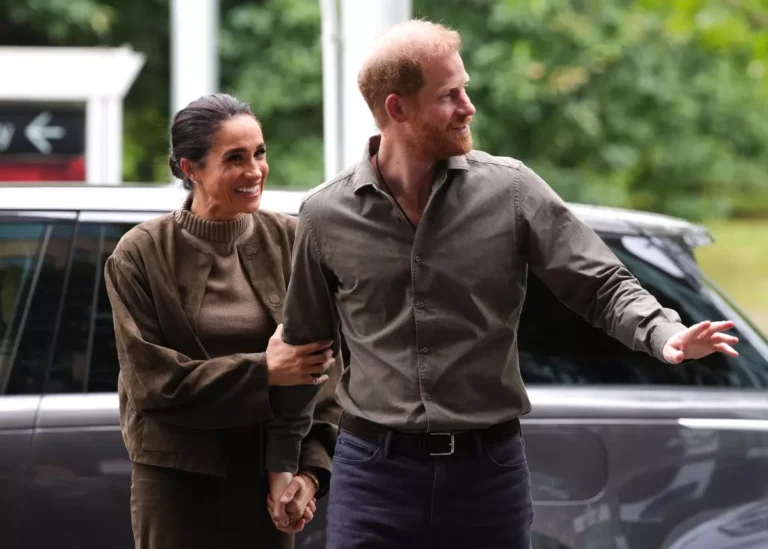
On January 8, 2020, Prince Harry and Meghan, Duchess of Sussex, announced on Instagram that they intended to step back as senior working royals and become “financially independent” — triggering what the tabloids called “Megxit.” The announcement blindsided the Palace. It came without consultation, without sign-off from the Queen, and with no agreed plan for what stepping back would actually mean. A summit at Sandringham on January 13 produced a statement from the Queen that was gracious in public and reportedly far tenser in private.
In March 2021, Harry and Meghan sat with Oprah Winfrey for a two-hour television interview that detonated across the Commonwealth. The most consequential allegation: that before Archie’s birth, a member of the Royal Family had expressed “concerns” about how dark Archie’s skin might be. Meghan and Harry declined to identify the family member publicly, though Harry privately confirmed to Oprah it was not the Queen or Prince Philip. In January 2023, Harry’s memoir Spare identified the remark as having been made by Prince William and Catherine — a claim that sources close to the couple denied. The identity of the person who made the remark remains officially unresolved.
Spare itself — published January 10, 2023 — was extraordinary: the first time a senior royal had published a memoir detailing drug use (cannabis, cocaine, “magic mushroom chocolates”), confirmed family rifts, and reproduced private conversations with other royals by name. It described an alleged physical altercation between Harry and Prince William in Nottingham Cottage. It described Charles’s awkward response to Harry’s drug disclosure. It described the moment Harry found out about the Camilla affair from a tabloid headline as a teenager.
In February 2024, King Charles III announced a cancer diagnosis — an undisclosed form of cancer discovered during treatment for benign prostate enlargement. Harry flew immediately to the UK. He and Charles met privately and briefly. Harry flew home the same day. The brevity of the visit was noted. In May 2025, the Court of Appeal unanimously upheld the Home Office’s decision to downgrade Harry’s UK police protection — his legal options exhausted, the family’s security now entirely self-funded.
On September 10, 2025, a breakthrough occurred. Harry met Charles for tea at Clarence House — their first face-to-face meeting in 19 months. It followed the conclusion of Harry’s security case and public appeals for reconciliation.
In July 2026, Harry met privately with King Charles at Highgrove. Sources described the meeting as the most significant in years: a “substantial improvement” in relations. And then, on August 26, 2026, Harry, Meghan, Prince Archie (7), and Princess Lilibet (5) landed at Birmingham Airport on a private flight. They settled in a private residence in the Cotswolds — geographically, within 20–40 minutes of Highgrove. The children enrolled in a British private school for September. Their Montecito, California estate was retained. No royal duties were resumed. The estrangement from Prince William remained unchanged. The return was personal — a family choosing proximity to a dying patriarch — not a constitutional event.
The Pattern — Editorial
Harry and Meghan’s story is being lived in public in a way that previous royal exits never were. Edward VIII had no Oprah. Princess Alice had no memoir. Prince John had no spokesperson. The difference is not in the institution’s impulse to conceal — that impulse remains entirely consistent across four centuries, from the Royal African Company to the sealed wills of 2022. The difference is that this generation has a microphone. Whether that changes anything about the institution is a question that, historically, the British Royal Family has been very good at not answering.
Every Question Answered
What is the biggest scandal in the British Royal Family?
By scale of documented harm, the Royal African Company’s slave trade — in which the Crown directly participated as operator, investor, and governor — caused the most suffering: 212,000 people shipped, over 44,000 dying in transit, enslaved humans branded with royal initials. In terms of modern institutional impact, Prince Andrew’s connection to Jeffrey Epstein — culminating in a £12 million civil settlement and his 2026 arrest by Thames Valley Police (where he remains under active investigation but uncharged) — is the most damaging ongoing scandal to the institution of the monarchy itself.
Did the Royal Family hide their disabled cousins?
Yes — and then listed them as dead in Burke’s Peerage while they were still living. Katherine and Nerissa Bowes-Lyon — first cousins of Queen Elizabeth II — were institutionalized at Royal Earlswood Hospital in 1941 and listed as deceased in the 1963 edition of Burke’s Peerage. Nerissa died in 1986; Katherine died in 2014. Neither received any support from the Royal Family during their lifetimes in institutional care. Similarly, Prince John (son of George V) was removed to Sandringham at age 11 and died there aged 13 in 1919, his mother describing his death as “a great relief.”
Was Queen Victoria’s grandson Jack the Ripper?
No — this theory has been conclusively dismissed by forensic historians. Prince Albert Victor, Duke of Clarence, was verifiably in Scotland during the Whitechapel murders of 1888. The theory originated partly from the real 1889 Cleveland Street scandal, in which Albert Victor was rumoured (though never charged) to have visited a male brothel. The cover-up of that investigation generated decades of speculation. Albert Victor died of influenza in 1892, aged 28, before he could have become King.
What happened to Prince John?
Prince John, fifth son of King George V, had epilepsy and autistic characteristics. He was removed from public royal life at the age of 11 and placed at Wood Farm on the Sandringham estate in the care of his nanny. He died there on January 18, 1919, aged 13, following an epileptic episode. His mother Queen Mary described his death in her diary as “a great relief.” He had lived almost entirely out of sight of the public and the official royal record for the final two years of his life.
How much of the Crown’s wealth is hidden?
The full picture is deliberately opaque. The Duchy of Cornwall (£1.2 billion+) and Duchy of Lancaster (£650 million+) pay no corporation tax. The Queen’s private estate — Sandringham, Balmoral, private portfolios, art, horses — passed to King Charles in 2022 with zero inheritance tax under the 1993 Sovereign-to-Sovereign exemption, saving an estimated £200–280 million. The wills of Queen Elizabeth II and Prince Philip are sealed for 90 years. The Paradise Papers revealed £10 million in Cayman Islands offshore investments from the Duchy of Lancaster. The total private wealth of the Royal Family is estimated at £1.8–2.2 billion, but the precise figure — and how it is distributed — will not be publicly known until 2112 at the earliest.
What did the Royal Family do to Princess Diana?
Three official investigations found no evidence of murder or conspiracy in Diana’s death. What is documented: Diana told her solicitor Lord Mishcon in 1995 that she feared a staged car accident — notes that were then locked in a Metropolitan Police safe for six years without being shared with French investigators. Her body was embalmed before a French judicial autopsy was completed, making standard pregnancy testing impossible. Henri Paul’s blood toxicology and finances contained anomalies that official reports attributed to normal explanations but which critics have never fully accepted. The 2008 UK inquest verdict was “unlawful killing” by grossly negligent driving — not murder.
The Record — 1564 to 2026
Enslaved by the Crown
~187,000 (Royal African Company)
Royal wills sealed
30+ (since 1910, some until 2112)
Inheritance tax on Queen’s estate
£0 (on ~£600m+ estate, 2022)
Andrew settlement amount
~£12 million (Feb 2022)
1969 documentary — next broadcast
Requires personal royal permission
Andrew — 2026
Arrested. Released under investigation.