
Royals Who Lost Their Titles for Love
From a King who walked away from a throne to princes stripped of their royal standing — the stories of royals who paid the ultimate price for the people they chose.
Throughout history, no institution has policed love more strictly than the monarchy. Bloodlines, alliances, and political necessity have always dictated who a royal could marry — and the consequences for those who defied the rules have ranged from scandal to exile to the complete erasure of titles earned at birth. Some chose love. Most paid a steep price. A handful paid with everything.
In This Article
The full story of Edward VIII’s abdication · Other royals who lost or surrendered their titles · Every major royal-title question answered with researched facts
The King Who Walked Away
King Edward VIII: The Abdication That Shook the World
On 11 December 1936, King Edward VIII sat before a BBC microphone in Windsor Castle and delivered the most extraordinary royal broadcast in British history. He had been King for just 325 days. He was about to stop being King entirely — not because of war, illness, or political revolution, but because of a woman his family and government had declared entirely unacceptable: Wallis Simpson, an American divorcee who had already been married twice.
His Own Words — The Abdication Broadcast, 11 December 1936
“I have found it impossible to carry the heavy burden of responsibility and to discharge my duties as King as I would wish to do without the help and support of the woman I love.”
— King Edward VIII, BBC radio broadcast, Windsor Castle
What Edward was surrendering was staggering: the Crown of the United Kingdom and its Dominions, the title of Emperor of India, and all the power and prestige that came with being the most senior royal in the world. What he received in return — after protracted and often bitter family negotiations — was the title of Duke of Windsor. What Wallis was refused, pointedly and permanently, was the title of Her Royal Highness. That slight would follow them into exile and beyond.
They married on 3 June 1937 at the Chateau de Cande in the Touraine, France — a ceremony attended by barely a handful of people, shunned by the entire British royal family. They spent the rest of their lives largely in Paris, the Duke a man without a country and without a clear purpose, restless and often deeply melancholy behind the polished social veneer. Edward died on 28 May 1972 at their home in the Bois de Boulogne, Paris. He was 77. Wallis outlived him by 14 years, dying in 1986 a lonely and increasingly isolated figure.
Modern Royal Title Losses
Other Royals Who Lost — Or Surrendered — Their Titles
Lost: HRH Title · 1996
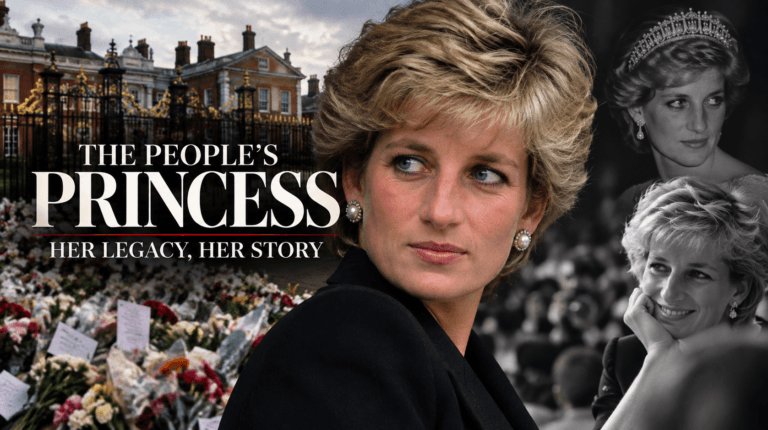
Princess Diana
When Diana’s divorce from Prince Charles was finalised on 28 August 1996, Queen Elizabeth II withdrew her Her Royal Highness title at the request of Charles and with Palace agreement. Diana retained the title Princess of Wales but became simply “Diana, Princess of Wales” — not “HRH The Princess of Wales.” She considered this a deliberate humiliation. Diana died on 31 August 1997 — just 11 months later — having never been restored her royal status.
Key Facts
Title before: HRH The Princess of Wales
Title after: Diana, Princess of Wales
Reason: Divorce from Prince Charles
Date: 28 August 1996
Significance: First such public stripping since Wallis Simpson
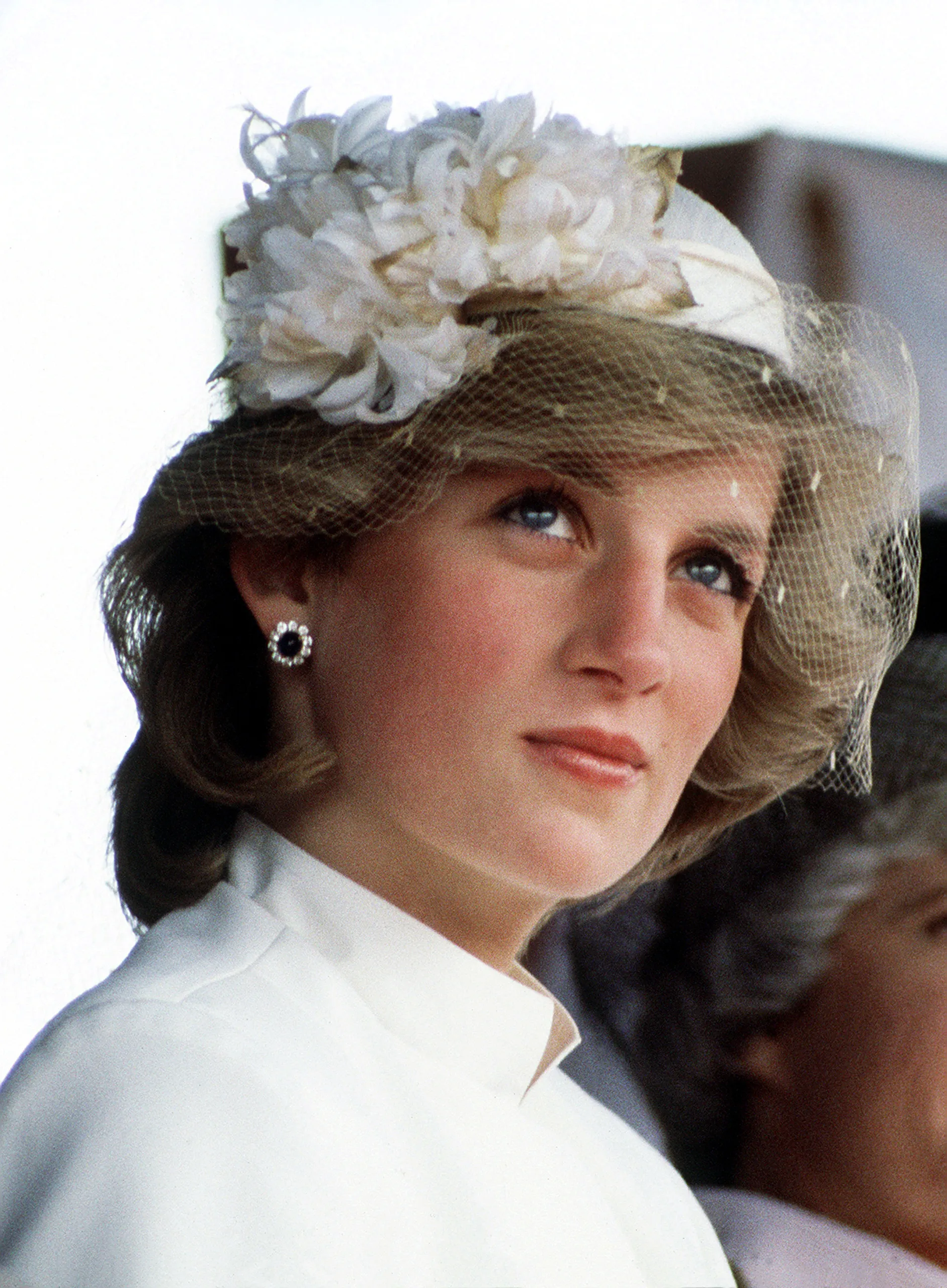
Lost: HRH Title · 1996
Sarah Ferguson, Duchess of York
Sarah Ferguson lost her HRH title simultaneously with Diana in 1996, when her divorce from Prince Andrew was finalised. Unlike Diana, Sarah had already been publicly embroiled in scandal — most notoriously the 1992 tabloid photographs that caused enormous Palace embarrassment while she was still technically married. She remained remarkably close to Prince Andrew for decades after their divorce.
Key Facts
Title before: HRH The Duchess of York
Title after: Sarah, Duchess of York
Reason: Divorce from Prince Andrew
Date: 30 May 1996
Notable: Continued living at Royal Lodge with Andrew post-divorce
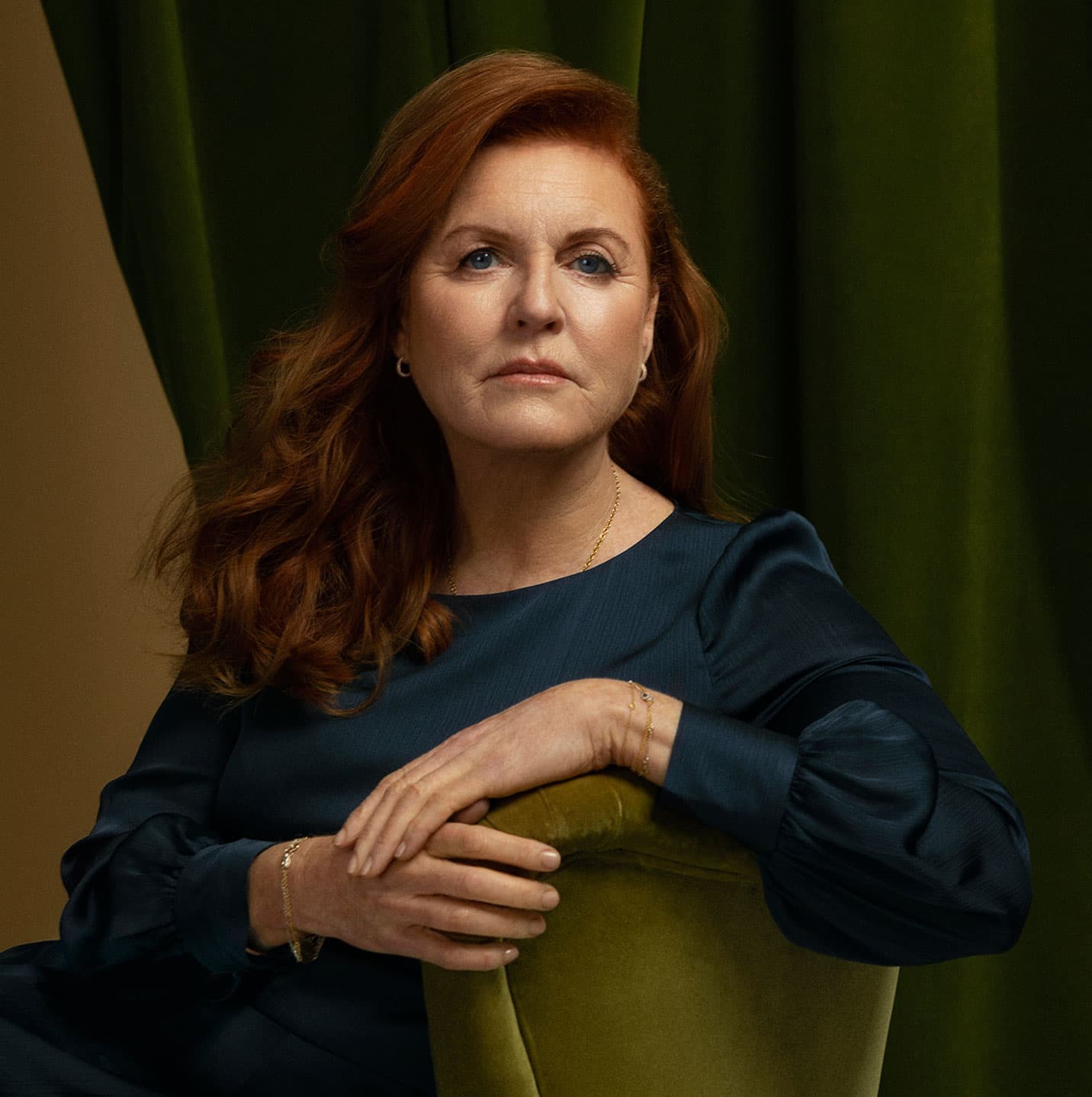
Lost: Working Royal Status · 2020
Prince Harry, Duke of Sussex
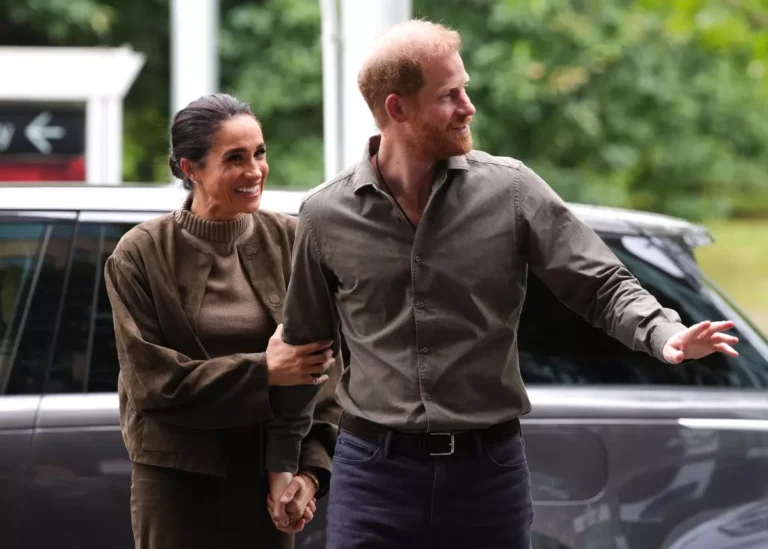
In January 2020, Prince Harry and Meghan, Duchess of Sussex, announced they would step back as senior working royals. By March 2020 the Palace confirmed they would no longer use their HRH titles in an official capacity. Harry retains his dukedom and his place in the line of succession (5th), but is no longer a working member of the Royal Family. The stated reason: protecting his wife Meghan and their family from media scrutiny and institutional pressure within the Palace.
Key Facts
Title retained: Duke of Sussex, Prince Harry
HRH: Suspended from official use
Effective: 31 March 2020
Line of succession: 5th in line
Military: Honorary appointments stripped by King Charles III in 2023

Stripped: Military Titles & Patronages · 2022
Prince Andrew, Duke of York
In January 2022, following the filing of a US civil lawsuit against him, the Palace announced Andrew would be stripped of all military affiliations and royal patronages. He returned them under immense pressure. He settled the civil case out of court in February 2022 for a reported sum exceeding 12 million pounds. No criminal charges were brought. He retains the title Duke of York and his HRH prefix but does not use it publicly and has no working royal role.
Key Facts
Title retained: Duke of York
Stripped: All military ranks and royal patronages
HRH status: Retained but not publicly used
Announcement: 13 January 2022
Outcome: Civil settlement; no criminal charges
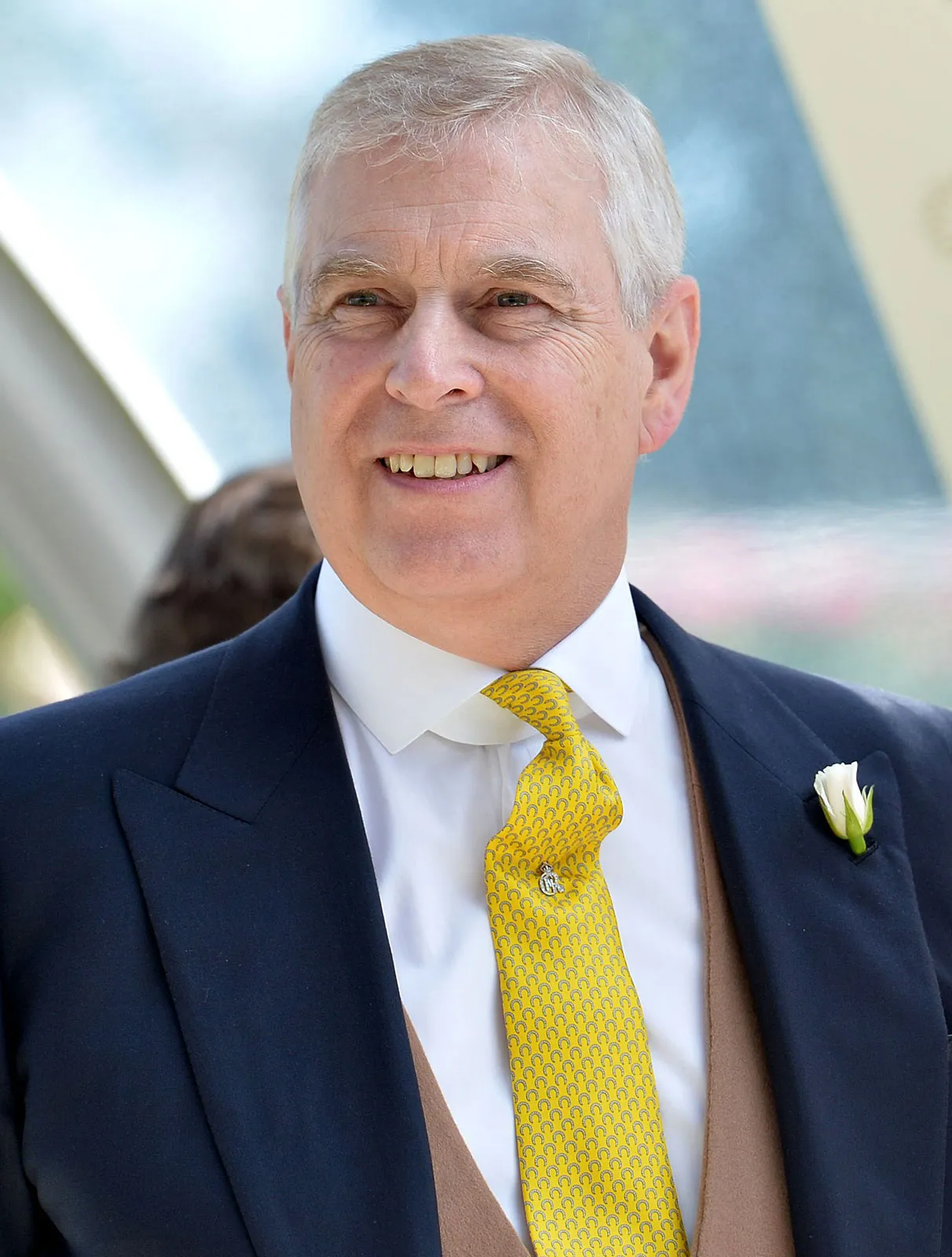
From Tokyo to The Hague
Royal Title Losses Around the World
The British royal family is not alone. From the Netherlands to Japan, Thailand to Spain, royals across the globe have faced the same impossible choice: love or the Crown. Many chose love. Almost all paid the price.
Netherlands · Lost Throne Rights 2004
Prince Friso of Orange-Nassau
Prince Friso — second son of Queen Beatrix and widely regarded as the romantic of the Dutch royal family — met Mabel Wisse Smit in Brussels and fell deeply in love. The problem: Mabel had not disclosed the full extent of her past friendship with Klaas Bruinsma, one of the Netherlands’ most notorious drug lords. When this was revealed during the parliamentary approval process, it caused a political crisis. Friso and Mabel had not obtained the parliamentary consent required under Dutch constitutional law before marrying in 2004. The consequence was absolute: Friso was excluded from the line of succession, lost his membership of the Royal House, and was stripped of the title Prince of the Netherlands. He chose Mabel anyway.
The story took a devastating turn in February 2012. While skiing in Lech, Austria, Friso was buried by an avalanche. He was trapped under the snow for approximately 25 minutes before rescuers reached him. He suffered catastrophic brain damage from oxygen deprivation. He spent 18 months in a coma, never recovering consciousness. He died on 12 August 2013 at the age of 44, surrounded by his family. He gave up a throne for love — and then gave everything else.
Key Facts
Country: Netherlands
Title lost: Prince of the Netherlands; membership of Royal House
Reason: Married without parliamentary consent
Year married: 2004
Died: 12 August 2013 (age 44)
Cause of death: Brain damage from avalanche, Lech, Austria, 2012
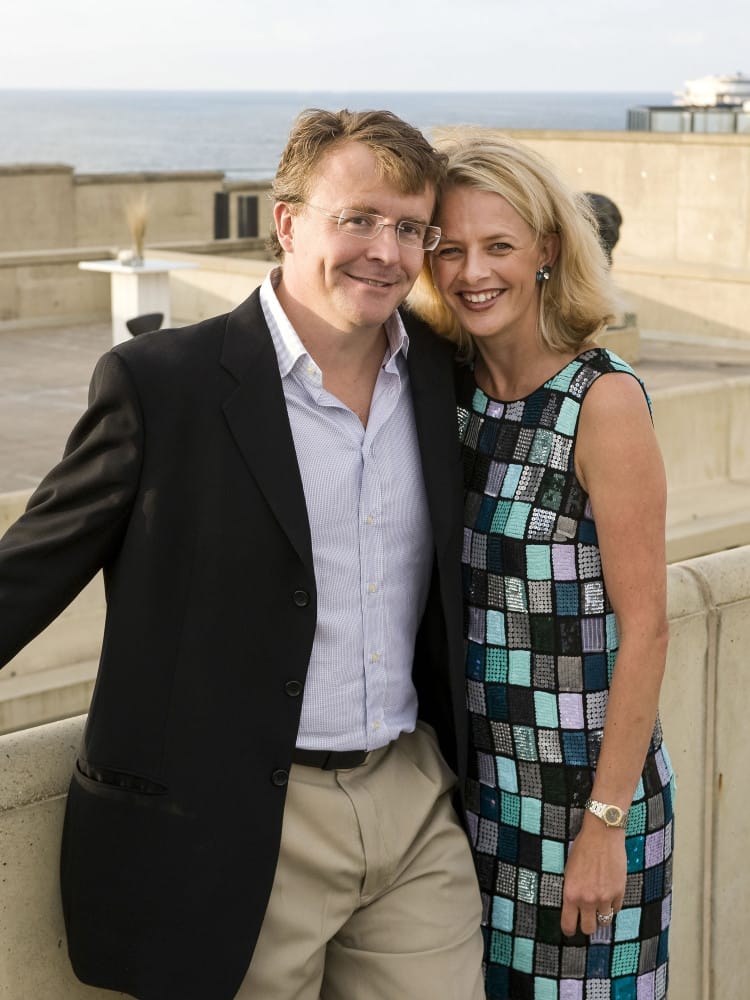
The Avalanche
Buried under snow for ~25 minutes in Lech, Austria, February 2012. Brain damage from oxygen deprivation. 18 months in a coma. Never regained consciousness. Died 12 August 2013.
Greece & Denmark · Gave Up Two Thrones · 1947
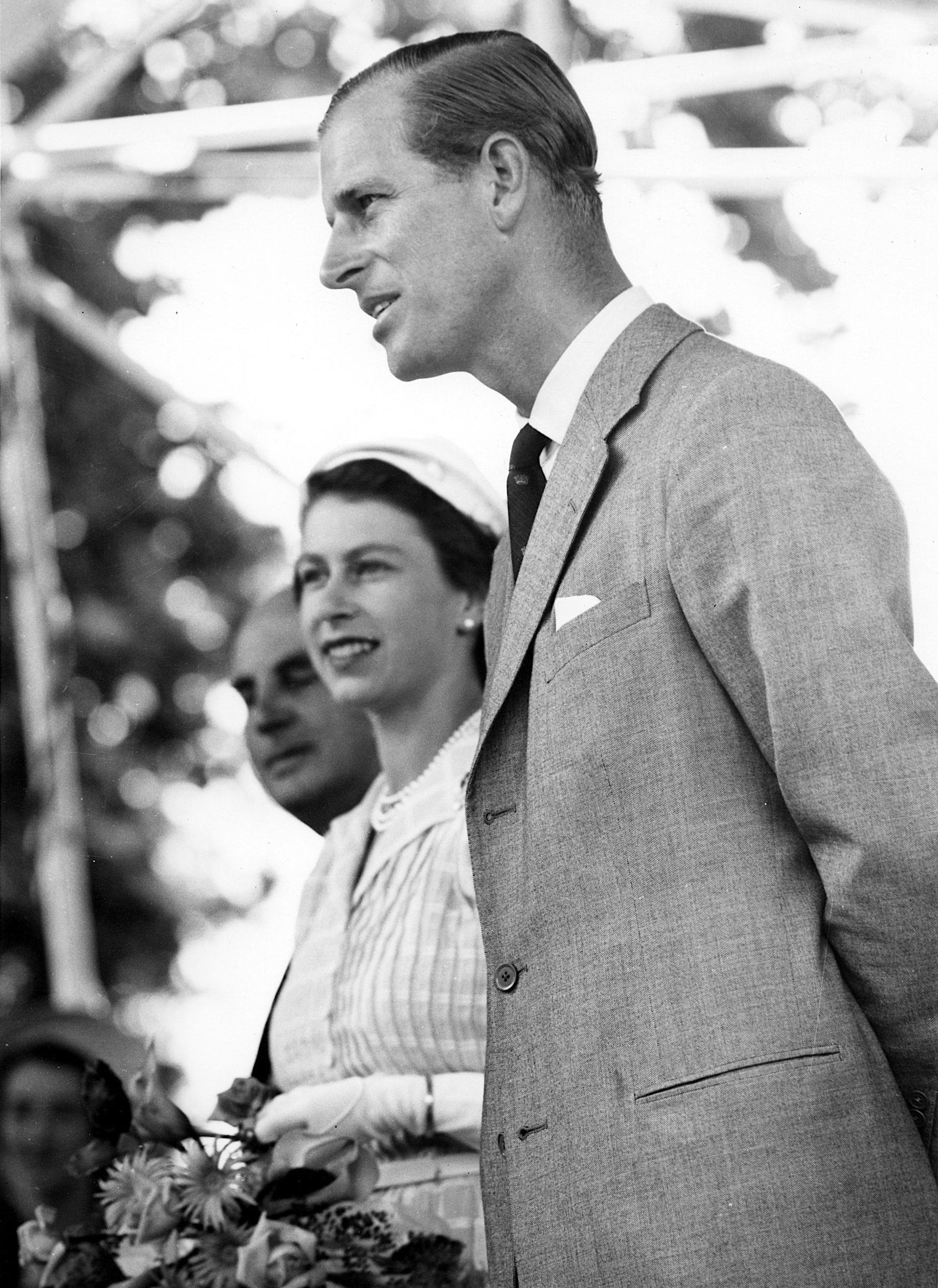
Prince Philip, Duke of Edinburgh
Perhaps the most remarkable title sacrifice in modern royal history — because Philip gave up not one but two thrones. Born on the island of Corfu on 10 June 1921, Prince Philip of Greece and Denmark held princely titles in both royal houses — as a great-great-grandson of Queen Victoria and a descendant of the Danish and Greek royal lines. When he became a British citizen on 28 February 1947, ahead of his marriage to Princess Elizabeth, he renounced his rights to both the Greek and Danish thrones and relinquished his foreign princely titles. He took the surname Mountbatten — an anglicisation of his mother’s family name Battenberg. He was granted the title HRH The Duke of Edinburgh just before the wedding. His years at Gordonstoun school in Scotland had already forged his sense of British identity, making the choice easier in practice — but the formal renunciation was total and permanent.
Key Facts
Born: Prince of Greece and Denmark
Titles renounced: Rights to the Greek and Danish thrones; foreign princely titles
Date: 28 February 1947
Became: HRH The Duke of Edinburgh
Married: Princess Elizabeth, 20 November 1947
Surname taken: Mountbatten
Unique distinction: The only person in modern history to voluntarily relinquish rights to two separate royal thrones simultaneously
Japan · Lost Imperial Status · 2021
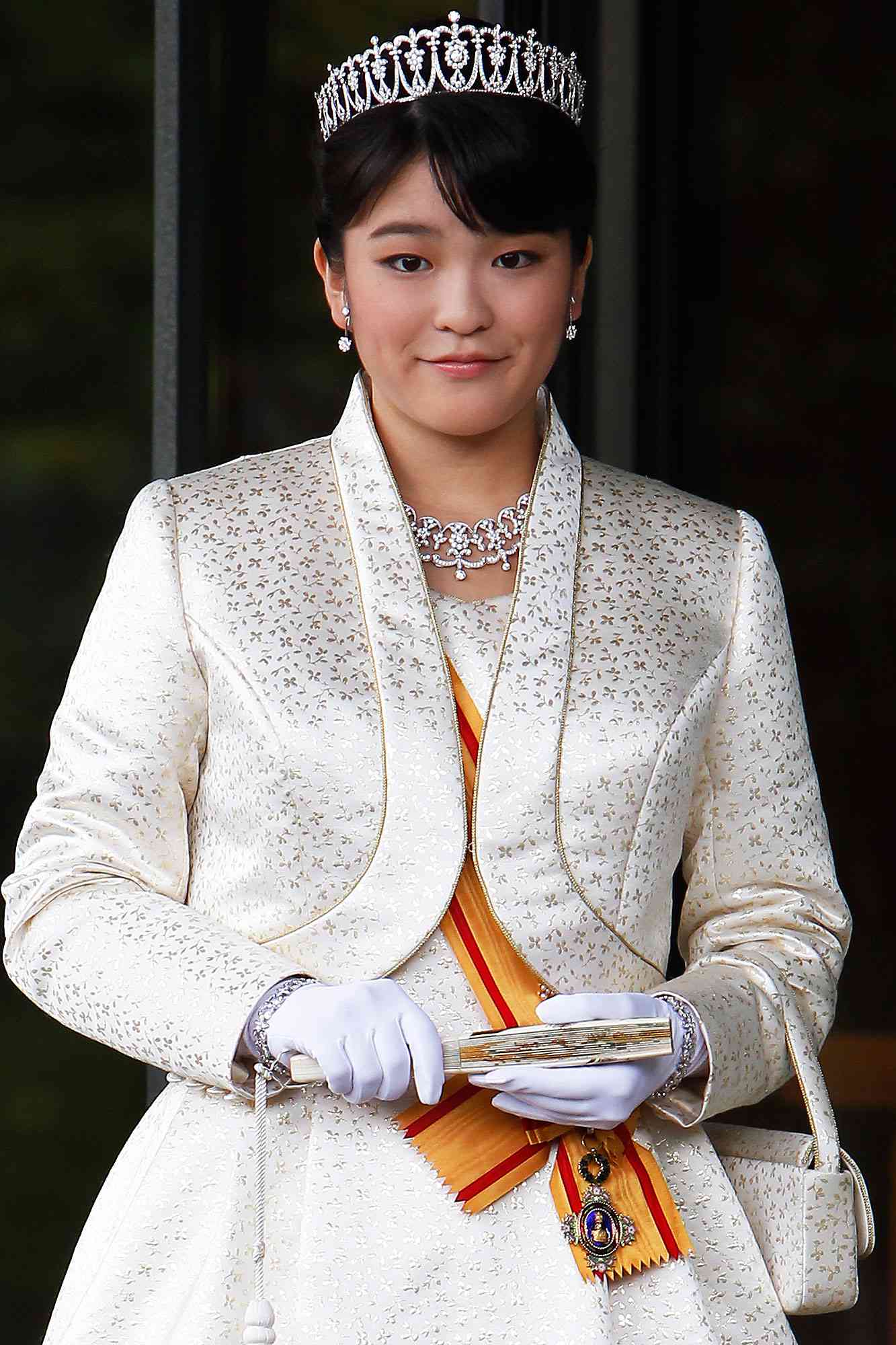
Princess Mako of Akishino
Japan’s imperial house operates under one of the most stringent marriage laws in the world. Under Japanese law, female imperial family members who marry commoners must forfeit their imperial status entirely — while the same rule does not apply to male members. Princess Mako, eldest daughter of Crown Prince Akishino, met law student Kei Komuro at the International Christian University in Tokyo. Their engagement was announced in May 2017. What followed was four years of controversy: Komuro’s family became embroiled in a reported financial dispute involving his mother, which generated enormous negative press in Japan and prolonged the engagement significantly.
Mako and Kei Komuro married on 26 October 2021. She became simply Mako Komuro — no longer a princess, no longer a member of the Imperial House. She went further than any predecessor: she declined the traditional payment made to female imperial members upon their departure from the family (typically around 150 million yen), and she also declined the traditional Saikokai — the formal rites of a royal wedding. The BBC reported she was the first in Japanese imperial history to decline both. The couple moved to New York, where Komuro works as a lawyer. Mako has since been diagnosed with complex PTSD, attributed in part to the years of intense media scrutiny the couple endured.
Key Facts
Country: Japan
Title lost: Princess; full Imperial House membership
Married: Kei Komuro, 26 October 2021
Now known as: Mako Komuro
Lives: New York, USA
Historic first: First to decline both the royal wedding rites AND the departure payment
Health: Diagnosed with complex PTSD
Japanese Law
Female imperial members who marry commoners automatically lose their status. Male members face no such restriction — a disparity that remains a live debate in Japan today.
Japan · Lost Imperial Status · 2005
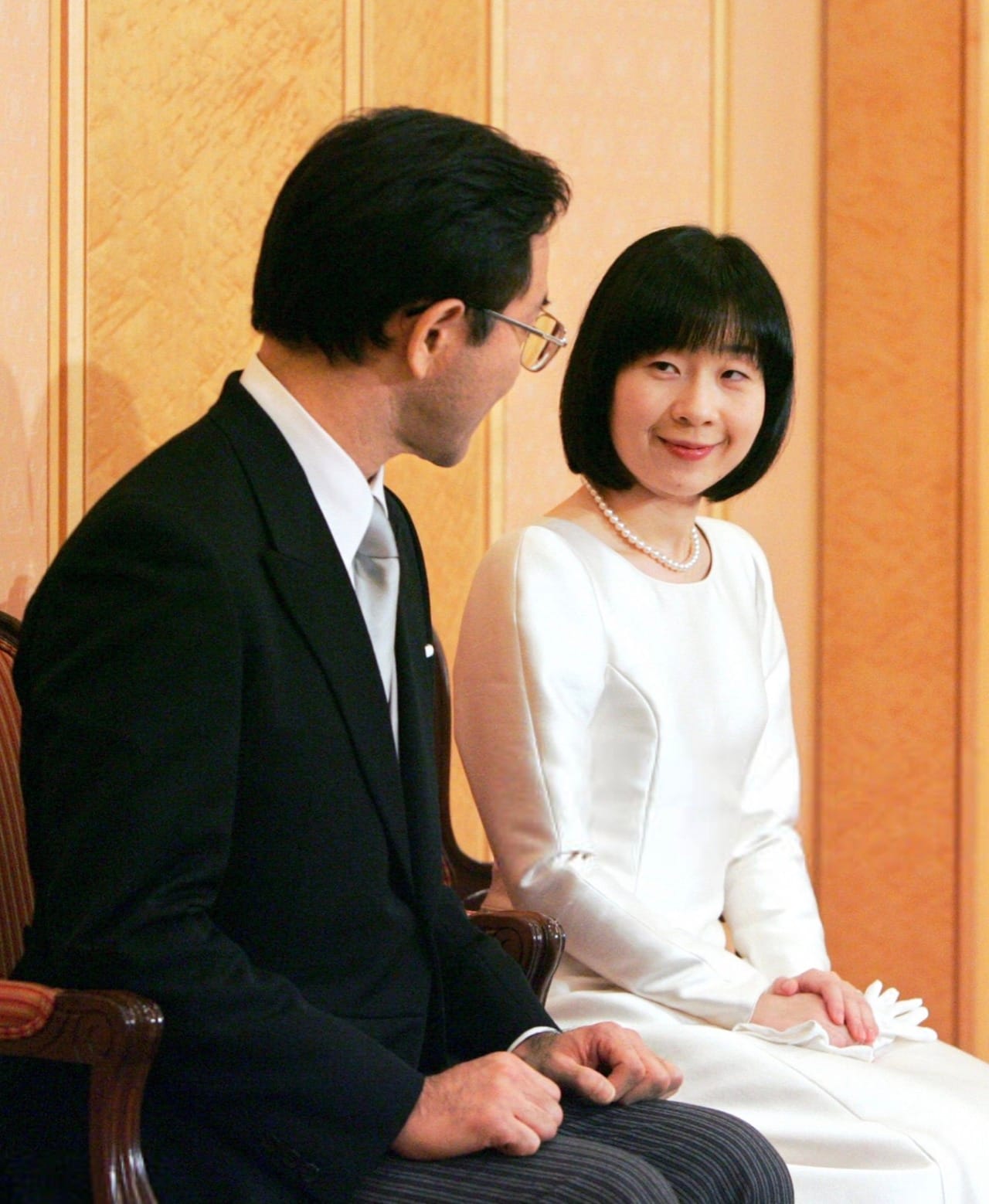
Princess Sayako (now Sayako Kuroda)
Formerly known as Princess Nori, Sayako Kuroda was the only daughter of Emperor Akihito and Empress Michiko — making her, at the time of her marriage, the daughter of the reigning Emperor of Japan. On 15 November 2005, she married Yoshiki Kuroda, an urban planning official with the Tokyo Metropolitan Government and a commoner. Under the same Japanese imperial law that would later affect Princess Mako, Sayako forfeited her title and her membership of the Imperial House of Japan upon her wedding. She took her husband’s surname — Kuroda — and became a private citizen. She is today simply Sayako Kuroda, and lives a private life in Tokyo.
Key Facts
Country: Japan
Former title: Princess Nori
Title lost: Princess; Imperial House membership
Married: Yoshiki Kuroda, 15 November 2005
Now known as: Sayako Kuroda
Parents: Emperor Akihito and Empress Michiko
Significance: Only daughter of a reigning Emperor to give up imperial status in modern Japanese history
Japan · Lost Imperial Status · 2018
Princess Ayako of Takamado (now Ayako Moriya)
Princess Ayako of Takamado — youngest daughter of the late Prince Takamado (a cousin of Emperor Akihito) and Princess Hisako — married Kei Moriya, a Nippon Yusen shipping company employee, on 29 October 2018. Under the same Japanese imperial law applied to Sayako and Mako, she automatically lost her title of Princess and her status as a member of the Imperial House of Japan upon her marriage to a commoner. She is now simply Mrs Kei Moriya, and lives as a private citizen. Japan’s strict imperial succession rules mean every female member of the imperial family who marries a commoner faces this same choice — a rule that continues to generate political debate about the future of the Japanese imperial house.
Key Facts
Country: Japan
Former title: Princess Ayako of Takamado
Title lost: Princess; Imperial House membership
Married: Kei Moriya, 29 October 2018
Now known as: Ayako Moriya (Mrs Kei Moriya)
Father: Late Prince Takamado (cousin of Emperor Akihito)

Luxembourg · Lost Succession Rights · 2006
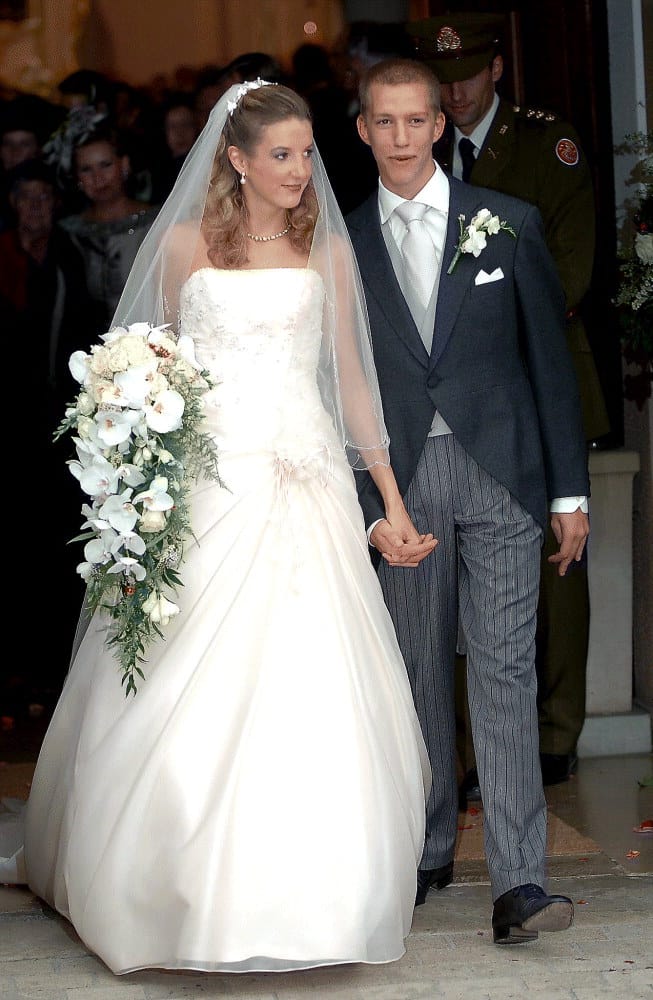
Prince Louis of Luxembourg & Tessy Antony
Prince Louis of Luxembourg — son of Grand Duke Henri — married Tessy Antony, a commoner and former Luxembourg Army soldier, on 26 September 2006. By marrying without the Grand Duke’s approval, Louis forfeited his succession rights to the Luxembourgish throne. Their children together would also have no rights to the throne. Tessy received the courtesy title Princess Tessy of Luxembourg. After eleven years of marriage and two sons, the couple divorced in 2017. With the dissolution of the marriage, Tessy also lost her title — she was no longer Princess Tessy of Luxembourg. She has since built an independent public profile as a humanitarian and advocate, and has spoken frankly about life inside — and after — a royal family.
Key Facts
Country: Luxembourg
Louis’s title lost: Rights to Grand Ducal succession
Tessy’s title: Princess Tessy of Luxembourg (lost upon divorce 2017)
Married: 26 September 2006
Divorced: 2017 — after 11 years
Children: Two sons (no throne rights)
Notable: Both Louis and Tessy lost titles at different points for the same marriage
Thailand · Lost Royal Title · 1972
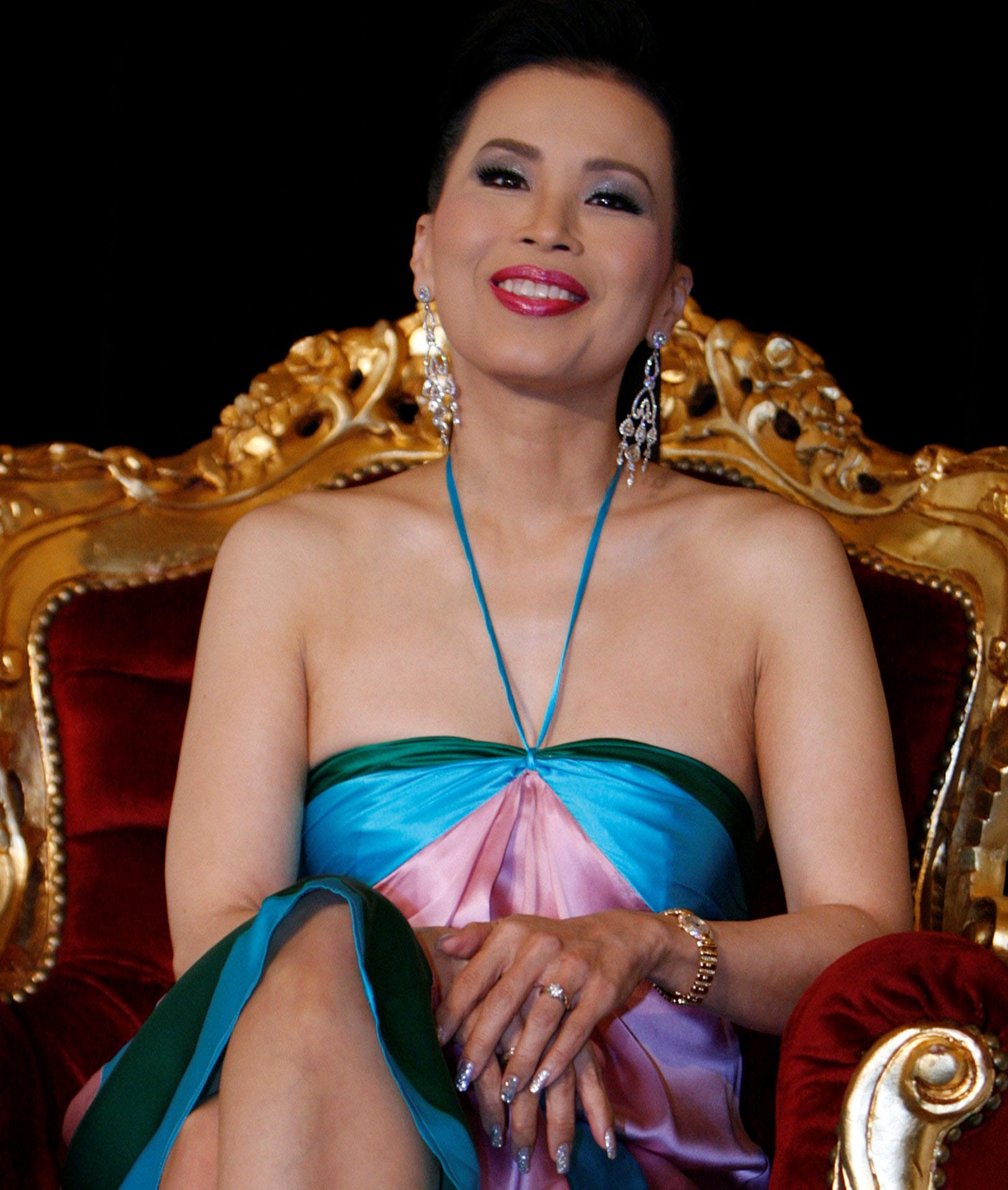
Princess Ubol ratana Rajakanya of Thailand
Princess Ubolratana — eldest daughter of King Bhumibol Adulyadej (Rama IX) and Queen Sirikit — gave up her royal title in 1972 when she married Peter Ladd Jensen, an American student she had met while studying at the Massachusetts Institute of Technology. By Thai law, a princess who marries a non-royal foreigner loses her royal status. She and Jensen moved to the United States and had three children together. They divorced in 1998, and Ubolratana returned to Thailand. In December 2004, a catastrophe struck: the Indian Ocean tsunami killed her son Khun Bumi Jensen, who was 21 years old, at a beach resort in Thailand. The loss was devastating and publicly mourned by the Thai people. Ubolratana has lived in Thailand since her return, still referred to with great affection and respect — but officially without royal title.
Key Facts
Country: Thailand
Father: King Bhumibol Adulyadej (Rama IX)
Title lost: Royal princess status
Married: Peter Ladd Jensen (American), 1972
Divorced: 1998
Returned to: Thailand, 1998
Tragedy
Her son Khun Bumi Jensen (21) died in the catastrophic Indian Ocean tsunami of December 26, 2004, at a beach resort in Thailand.
Thailand · Stripped of Royal Status · 2014
Srirasmi Suwadee — Former Thai Princess
Srirasmi Suwadee was the third wife of then Crown Prince Maha Vajiralongkorn — now King Rama X of Thailand. In late 2014, members of her family were arrested on charges of corruption and lese-majeste (insulting the monarchy). The scandal engulfed her relatives and, amid the fallout, the Crown Prince separated from Srirasmi and she gave up her royal status and titles at his request. She signed documents renouncing her royal position and returned her royal regalia. The couple had one son together, Prince Dipangkorn Rasmijoti, who remained with his father. Srirasmi’s case was notable in that she did not give up her status for love — she was effectively compelled to surrender it as a consequence of her family’s criminal conduct.
Key Facts
Country: Thailand
Former status: Wife of Crown Prince (now King Rama X)
Title lost: Royal status and titles — surrendered at Crown Prince’s request
Year: 2014
Reason: Family corruption and lese-majeste allegations
Son: Prince Dipangkorn Rasmijoti (remained with father)
Unique: Title lost through family scandal, not personal conduct

Spain · Lost Duchess Title · 2015
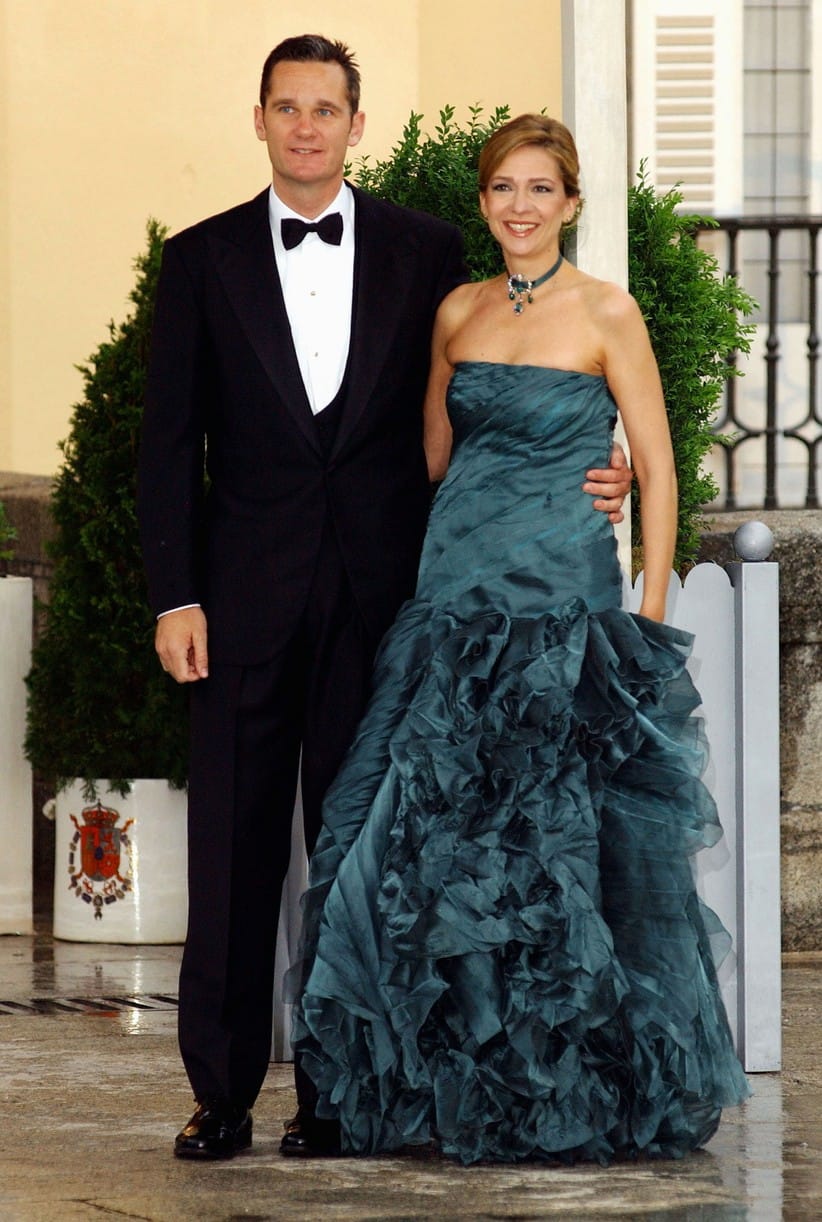
Infanta Cristina of Spain
Infanta Cristina — younger daughter of King Juan Carlos I and Queen Sofia of Spain, and sister of reigning King Felipe VI — became embroiled in one of the biggest financial scandals in modern Spanish royal history. Her husband, former Olympic handball player Inaki Urdangarin, was investigated from 2011 for tax fraud and embezzlement through his charitable foundation, the Noos Institute. In 2015, King Felipe VI stripped Cristina of her title Duchess of Palma de Mallorca — a title she had held since 1997 — as the investigation escalated. Cristina herself was tried as an accessory to the fraud charges. She was found not guilty in 2017. Her husband Urdangarin was not so fortunate: he was sentenced to six years and three months in prison. He began serving his sentence in 2018. Cristina and Urdangarin subsequently separated in 2022.
Key Facts
Country: Spain
Title stripped: Duchess of Palma de Mallorca
Stripped by: Brother, King Felipe VI
Year: 2015
Reason: Fraud investigation involving husband
Cristina’s verdict: Not guilty (2017)
Husband Urdangarin: Sentenced to 6 years 3 months
Marriage: Separated 2022
Belgium · Lost Throne Rights 2014, Reinstated 2015
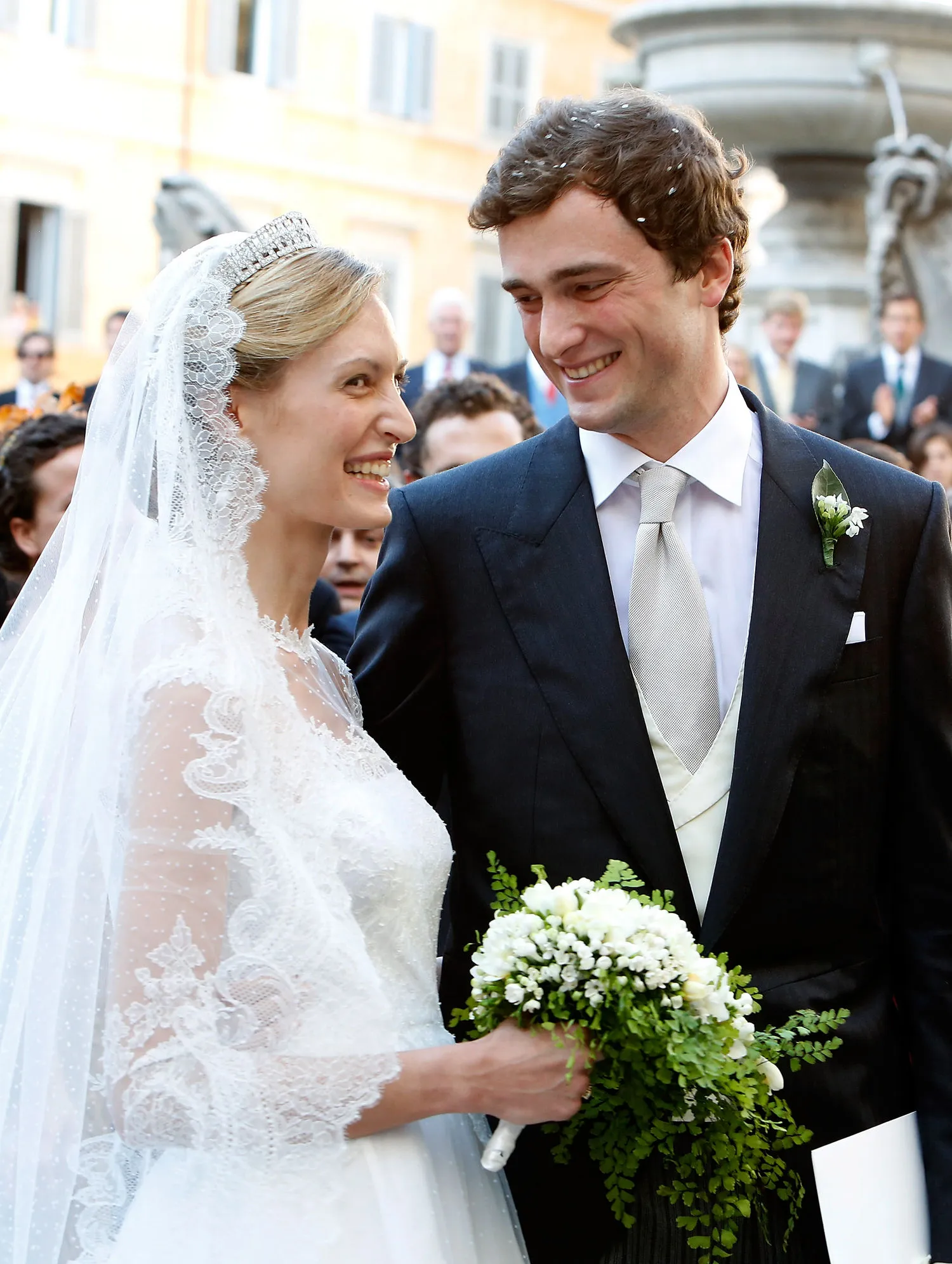
Prince Amedeo of Belgium
Prince Amedeo of Belgium — son of Princess Astrid and Archduke Lorenz of Austria-Este — married Italian filmmaker Lili Rosboch von Wolkenstein on 5 July 2014 in Rome. Under Belgian law, members of the royal family must obtain the sovereign’s consent before marriage. Amedeo had not sought or received approval from King Philippe before the wedding — and as a result, he automatically lost his rights to the Belgian throne. The situation was resolved the following year: in 2015, King Philippe retroactively approved the marriage, and Amedeo’s succession rights were restored. He is now once again in the Belgian line of succession. His case stands as one of the rare instances in royal history where a title loss was fully reversed — though it serves as a reminder that even today, royal marriage rules in constitutional monarchies carry genuine legal consequences.
Key Facts
Country: Belgium
Rights lost: Belgian throne succession
Married: Lili Rosboch von Wolkenstein, 5 July 2014
Reason: Failed to obtain King’s prior consent
Rights restored: 2015 (retroactive royal approval by King Philippe)
Current status: In Belgian line of succession
Unique: One of very few royals to have succession rights both lost AND fully reinstated
Historical Abdications
Royals Who Were Forced Out Across History
| Royal | Country | Year | Reason |
|---|---|---|---|
| Tsar Nicholas II | Russia | 1917 | Forced — Russian Revolution |
| Kaiser Wilhelm II | Germany | 1918 | Forced — WWI defeat |
| King Edward VIII | United Kingdom | 1936 | Voluntary — for Wallis Simpson |
| King Michael I | Romania | 1947 | Forced — Communist takeover (pistol reportedly on the table) |
| King Farouk I | Egypt | 1952 | Forced — military coup |
| King Juan Carlos I | Spain | 2014 | Voluntary — amid scandal, in favour of son Felipe VI |
| Queen Beatrix | Netherlands | 2013 | Voluntary — to allow son Willem-Alexander to reign |
Every Question Answered
Which King left the throne for love?
King Edward VIII of the United Kingdom — the only British monarch in history to voluntarily abdicate. He gave up the throne on 11 December 1936 to marry Wallis Warfield Simpson, a twice-divorced American socialite. The Church of England, of which the King was Supreme Governor, did not permit remarriage of divorced persons whose former spouses were still living — and both of Wallis’s ex-husbands were alive. Prime Minister Stanley Baldwin and the Dominion governments also made clear they would not support a marriage to Wallis under any arrangement. Edward chose abdication. He had been King for precisely 325 days.
What were King Edward VII’s final words?
King Edward VII — father of George V and grandfather of the abdication King Edward VIII — died on 6 May 1910. His final recorded words came on the afternoon of his death, when he was told that his horse Witch of the Air had won the 4:15 race at Kempton Park. Despite being gravely ill, he reportedly managed to say: “I am very glad.” He lost consciousness shortly afterwards and died that evening aged 68. These words — spoken about a winning racehorse — are considered entirely in character for one of Britain’s most pleasure-loving monarchs. If you are searching for the final words of Edward VIII (the abdication King who died in Paris in 1972) — these were not publicly documented. He died in the early hours after a long decline from throat cancer, having received a final visit from Queen Elizabeth II just ten days prior.
Did Edward VIII regret abdication?
Publicly, the Duke of Windsor always maintained he had no regrets. His 1951 memoir A King’s Story presents the abdication as a decision made from love and principle. Privately, the picture is considerably more complicated. Those close to him — including his equerry and personal friends — documented deep, lasting homesickness for England and a desperate yearning for purpose. He applied repeatedly — through intermediaries and personal letters to George VI and later Elizabeth II — for any official role within the Commonwealth or Foreign Office. Every request was quietly declined. His only posting was Governor of the Bahamas (1940–45), which was widely seen as a way to keep him out of wartime Europe. He and Wallis found it stifling. His biographers, including Michael Bloch and Anne Sebba, conclude he privately mourned the life he had surrendered far more than he ever admitted. He reportedly told one confidant late in life: “You must never abdicate.”
Did the Duke of Windsor ever regret abdicating?
The evidence strongly suggests yes — though he was too proud to say so openly. The Windsors’ life in France was glamorous on the surface: their Paris home was exquisitely decorated and a hub of international social life. But the Duke was a restless, purposeless man who had been built for kingship and had nothing to do. His family refused Wallis the HRH title. Queen Mary never spoke to either of them again. They were excluded from royal events for decades. The Duke spent his final years in declining health at their villa in the Bois de Boulogne, Paris. Queen Elizabeth II visited him there just ten days before his death in May 1972, receiving her from his bed, on oxygen. He died on 28 May 1972. Wallis became increasingly isolated, her health declining rapidly, cared for by a small staff at the villa until her death in April 1986. Both were buried at Frogmore, Windsor — finally, after everything, returned to England.
Which king was forced to abdicate?
Several kings have been forced from their thrones by revolution, war, or political upheaval. Tsar Nicholas II of Russia abdicated on 15 March 1917 under pressure from the Provisional Government and the collapse of military loyalty — he and his entire family were subsequently executed by Bolshevik forces in July 1918. King Michael I of Romania was forced to abdicate on 30 December 1947 by the incoming Communist government; a pistol was reportedly on the table during the meeting in which he signed the abdication papers. He was just 25 years old. He was expelled from Romania and not permitted to return for 50 years. King Farouk I of Egypt was forced to abdicate in 1952 following a military coup led by the Free Officers Movement. Historically, King James II of England effectively abdicated in 1688 during the Glorious Revolution by fleeing to France, which Parliament then interpreted as an abdication. Edward VIII, by contrast, was not technically forced — he chose to abdicate when it was made clear that keeping Wallis meant losing the Crown.
Who turned down the British throne?
Several notable cases exist. Princess Margaret effectively made a choice in 1955 that cost her personal happiness: given the option to either renounce her royal income and place near the succession to marry divorced Group Captain Peter Townsend, or give him up entirely, she chose the Crown over the man she loved. She announced she would not marry Townsend. She later married photographer Antony Armstrong-Jones in 1960 — a marriage that ended in divorce in 1978, the first royal divorce in the immediate family since Henry VIII. In the direct sense of turning down the throne: Edward VIII turned down the opportunity to remain King if he gave up Wallis — he declined that version of the throne. Outside the UK, Archduke Karl of Austria was offered several Balkan thrones during the 20th century and declined. Prince William of Denmark declined the Albanian throne in 1913 before it was accepted by another.
Can a royal prince lose his title?
Yes — and it has happened multiple times in British and European royal history. In the United Kingdom, royal titles can be removed by Letters Patent issued by the sovereign, by Act of Parliament, or by the monarch’s personal instruction. The most common trigger is behaviour deemed incompatible with royal dignity. Prince Harry lost the working use of his HRH in 2020 when he stepped back from royal duties. Prince Andrew was stripped of all military titles and royal patronages in 2022. During World War I, the Titles Deprivation Act 1917 stripped German-born members of the British royal family — including the Duke of Cumberland and the Duke of Albany — of their British peerages. Edward VIII himself was demoted from King Emperor to Duke of Windsor upon abdication. Under the Succession to the Crown Act 2013, royal consent to marry is now only required for the first six people in the line of succession — those further down no longer risk losing their place in the succession simply by marrying without royal permission.
Who was the most scandalous royal in history?
History offers fierce competition. King Henry VIII of England (1491–1547) remains the most globally recognised: six wives, two executed, England broken from the Catholic Church, the monasteries dissolved — all largely in service of his dynastic and romantic ambitions. King Edward VII (before he became King, as Prince of Wales) was renowned for his many affairs, gambling, and appetite for pleasure — Queen Victoria reportedly considered him unfit to rule and kept him from state business well into his 50s. Edward VIII adds a far darker dimension to his romantic scandal: the Windsor Files — documents released decades after his death — confirmed his sympathetic contacts with Nazi Germany during WWII, including a meeting with Hitler in 1937. His wartime Governor role in the Bahamas partially reflected the Palace and Churchill’s desire to keep him away from Europe. In ancient and medieval history, Roman Emperor Caligula and English King John both have significant claims — though the historical record is heavily filtered through hostile sources.
Would Elizabeth II have been Queen if Edward VIII had not abdicated?
Almost certainly yes — but the path would have been indirect and the timing very different. If Edward VIII had remained King, his brother Albert (who became George VI) would not have ascended the throne in 1936. However, Edward and Wallis had no children. On Edward’s eventual death without heirs, the Crown would still have passed to his brother Albert — and from George VI to his daughter Elizabeth in exactly the way it actually happened. What would have changed is the preparation: George VI’s 15-year reign gave Elizabeth a front-row education in constitutional monarchy that shaped her entire approach to the role. Some historians argue that if Elizabeth had become Queen much later in life, or under different circumstances, the character of her reign and the modern monarchy itself would have been fundamentally different. The abdication, in that reading, did not just save the Crown — it arguably made the Queen.
Who is higher than a prince?
In the British system of royal precedence, the ranks above a prince are: King and Queen Regnant (the highest ranks for a ruling monarch), followed by Queen Consort (the spouse of a reigning King). The Prince of Wales — the specific title held by the heir apparent — carries greater precedence than a general prince of the blood. Globally, an Emperor ranks above a King and therefore above any prince: the Holy Roman Emperor historically outranked all European kings. Japan’s Emperor is the world’s only reigning emperor today. In the current British line: King Charles III, Queen Camilla, Prince William (Prince of Wales), Prince George, Princess Charlotte, Prince Louis — followed by Prince Harry at 5th in the succession.
Would Harry become King if William abdicated?
No. If Prince William were to abdicate, the Crown would pass to his eldest child Prince George — not to Prince Harry. The British line of succession follows hereditary primogeniture: the throne passes to a monarch’s own children in birth order before passing to siblings. Harry is currently 5th in the line of succession (behind William, George, Charlotte, and Louis). Even if William abdicated, the throne would go to George first. Only if George, Charlotte, and Louis were all also removed from the line of succession would Harry be next — and that would require a cascading series of extraordinary events. This is a common misconception: a royal abdication does not skip a generation. The throne passes to the next eligible heir in the existing line, which in William’s case is his firstborn son Prince George.
Who was married 23 times? Was it a royal?
No royal in documented history has been married 23 times. The record for marriages in British royal history belongs to King Henry VIII, who had six wives: Catherine of Aragon, Anne Boleyn, Jane Seymour, Anne of Cleves, Catherine Howard, and Catherine Parr. Two were executed; two were divorced; one died in childbirth; one outlived him. The Guinness World Record for most marriages held by any individual belongs to Glynn “Scotty” Wolfe, an American who married approximately 29 times between 1927 and 1997. Among historical rulers, Sultan Ismail ibn Sharif of Morocco (1672–1727) is documented to have had an enormous harem — reportedly fathering over 800 children — though precise legal marriage numbers are unverifiable by modern standards. No specific individual, royal or otherwise, is historically documented as having been married exactly 23 times.
Who was the youngest royal to get married in history?
In medieval and early modern Europe, child marriages among royalty were common and legally binding — making it difficult to identify a single definitive record. Isabella of Valois was married to King Richard II of England in 1396 when she was just 6 years old (the marriage was not consummated until she came of age). Margaret Beaufort, mother of Henry VII of England, was married at 12 and gave birth to Henry at just 13 — a delivery from which she never fully recovered physically. Mary Queen of Scots married Francis, Dauphin of France, in 1558 at the age of 15. Catherine Howard, Henry VIII’s fifth wife, was approximately 16 to 17 at the time of their marriage — and was executed at around the same age. In more recent history, modern European and Middle Eastern monarchies have moved entirely away from early marriage — Queen Rania of Jordan married King Abdullah II at 26; Princess Madeleine of Sweden married at 30. Child marriages in European royal families effectively ended with the modernisation of monarchies in the early 20th century.
Has any royal ever been stripped of their titles?
Yes — multiple times in modern British history alone. Princess Diana lost her HRH title upon divorce from Charles in 1996. Sarah Ferguson lost her HRH at the same time. Prince Harry lost the working use of his HRH in 2020. Prince Andrew was stripped of all military titles and royal patronages in 2022. During World War I, the Titles Deprivation Act 1917 stripped German-born members of the British royal family — including the Duke of Cumberland and the Duke of Albany — of their British peerages and styles because they were fighting on the opposing side. Edward VIII himself was demoted from King Emperor to Duke of Windsor upon abdication. More dramatically: King James II of England was declared by Convention Parliament in 1688 to have forfeited his throne through his own actions — one of the first parliamentary determinations that a British monarch could lose their title not through death but through conduct.
Quick Reference Facts
Only British king to voluntarily abdicate
Edward VIII, 1936
Days Edward VIII was King
325 days
Most-married British monarch
Henry VIII — 6 wives
Edward VIII title after abdication
Duke of Windsor
Title Wallis Simpson was refused
HRH (denied by the family)
Harry’s current succession position
5th in line